 By Allen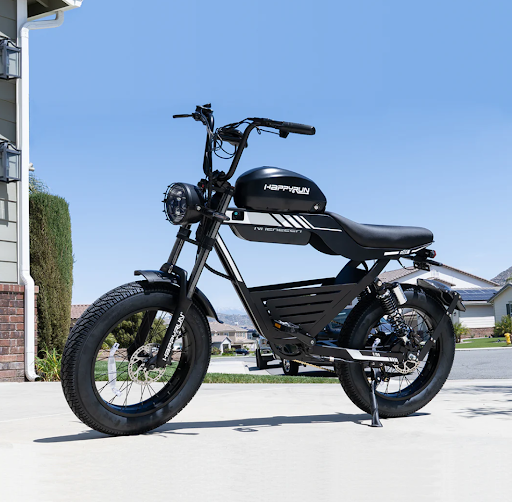
Introduction: The High Cost of “Checking the Fence”
Out here, small jobs are never really small. A loose fence post. A gate that didn’t latch. A water line that needs a quick look before nightfall. None of it is far, but every trip adds up.
Firing up a diesel truck just to drive a few hundred yards feels wrong—especially when it’s cold. Engines complain. Exhaust hangs in the air. Livestock spooks before you even get close. Fuel prices keep climbing, and maintenance never seems to end.
For decades, rural life has relied on loud machines to do quiet work. But that’s starting to change. Electricity isn’t just for city cars anymore. It’s finding its place on land where work still needs to get done—without noise, without smoke, and without burning fuel for every little task.
Why Silence Is the New Horsepower on the Farm
Anyone who works around animals knows this truth: noise matters.
Cattle bunch up when engines roar. Horses lift their heads and tense. Chickens scatter. Loud machines announce your presence long before you arrive, turning a simple check into a disruption.
That’s where the electric dirt bike earns its place.
Quiet movement changes everything. You can ride across the back forty without stressing livestock. You can approach a herd calmly. You can stop and listen—really listen—to what’s happening on your land. The silence isn’t a luxury. It’s a tool.
In many ways, it feels like the modern version of a horse: reliable, responsive, and respectful of its surroundings.
Beyond the Chores: The Real Utility Argument
Utility isn’t about horsepower numbers on paper. It’s about how easily something fits into your day.
Quick Inspections Without the Hassle
When something needs checking, speed matters—but not top speed. Being able to hop on and go beats warming up an engine every time. No fuel smell. No idle noise. Just roll out of the barn and handle the task.
Mud Season Reality
Anyone who’s lived through mud season knows trucks get stuck where lighter machines don’t. Narrow trails, soft ground, and uneven paths favor something that floats instead of sinks. A lighter electric bike can move where a pickup just spins its tires.
The Economics Add Up
No gas runs. No oil changes. Charging from a standard outlet in the barn costs next to nothing. Over time, those savings aren’t theoretical—they’re felt.
The Weekend Shift: From Work Tool to Trail Explorer
Friday evening hits different in the country. The work slows down. The sun drops lower. Boots come off. And suddenly, the same machine used to carry feed in the morning becomes something else entirely.
You ride down the creek bed. You follow a fire road you haven’t taken in years. Maybe you head over to a neighbor’s place without loading a trailer or making a plan. Rural riding isn’t about motocross tracks or racing. It’s about space, boundaries, and freedom.
Kids ride along. Friends meet up. The land feels bigger when you’re moving through it slowly and quietly.
Choosing the Right Mule: Why Specs Matter for Work
This is the only place where the machine itself needs to be named—because work demands honesty.
You don’t need a racing bike for rural life. You need a capable off road electric bike that prioritizes torque, endurance, and load capacity over jumping ability.
The HappyRun TankG100 is built for exactly that role.
Load capacity matters. With a 400 lbs max load, the G100 can carry a bag of feed, a toolbox, or a second rider without strain. That extended banana seat isn’t just for looks—it’s practical.
Range matters even more. Farm work doesn’t run on schedules. The dual battery system with up to 85+ miles of range means you’re not watching a battery meter while the day stretches on. You finish the job without worrying about getting stranded in the north pasture.
Torque beats speed for work. The 2000W peak motor with 95Nm of torque pulls you up wet grassy hills and across soft ground. While 38 MPH is more than enough for property roads, the real value is controlled pulling power—not racing.
Wrapped in a retro, rugged design with full suspension, the G100 fits rural life visually and functionally. It looks like it belongs, because it does.
Practical Tips for Rural E-Biking
Storage matters in cold climates. Keep batteries at room temperature during freezing winters to preserve performance and longevity.
Tire choice makes a difference. Fat tires handle mud, gravel driveways, and uneven ground better than thin street tires, offering stability where traction disappears fast.
Safety still counts. Even short rides deserve a helmet. Familiar land can still surprise you.
Conclusion: The Best Tool Is the One You Use
Rural life is changing—not by getting louder or more complicated, but quieter and more efficient.
The old image of the cowboy on horseback still holds truth. It’s just evolving. Today’s “horse” runs on electricity, carries 400 lbs, works all day on a single charge, and never needs fuel or a vet.
If you manage land, stop burning diesel for small jobs. Choose a tool that works as hard as you do—and makes the day a little easier when the work is done.