 By Samuel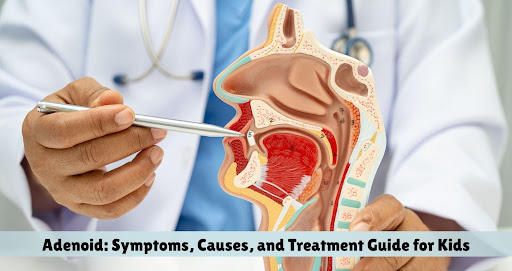
When it comes to our kids’ health, we often focus on visible issues like fevers or rashes. However, many parents overlook a small yet crucial part of the immune system—the adenoids. These pea-sized glands play an important role in fighting off infections during childhood. But what happens when they become problematic? If your child is struggling with persistent snoring, frequent ear infections, or chronic nasal congestion, it might be time to learn more about adenoid issues.
In this guide, we’ll dive deep into understanding what adenoids are and how they develop. We’ll highlight common symptoms that may signal trouble and explore the causes behind enlarged adenoids. Whether you’re curious about diagnosing potential problems or exploring treatment options—including the possibility of an adenoidectomy—this post will equip you with valuable information.
Join us as we unravel the mysteries surrounding adenoids so you can better support your child’s well-being!
What Is an Adenoid and Its Role in the Immune System
Adenoids are small masses of lymphatic tissue located at the back of the nasal cavity, above the roof of the mouth. They are part of a group of tissues known as Waldeyer’s ring, which includes other tonsils that help protect against infections. Adenoids play a vital role in your child’s immune system during their early years.
These glands act as a first line of defense against pathogens like viruses and bacteria. When your child breathes in air containing these harmful agents, adenoids trap them and prevent them from entering further into the body. This process helps to stimulate an immune response, enabling your child’s body to fight off infections more effectively.
As children grow, their bodies become better equipped to handle common infections. Consequently, adenoids begin to shrink around ages 5 to 7 and may continue decreasing in size through adolescence. While they serve an important purpose during childhood, many people find that their relevance diminishes over time.
In some cases, enlarged or inflamed adenoids can lead to complications such as breathing difficulties or chronic ear infections. This is often due to excess tissue blocking airflow or trapping fluids in nearby areas. As such issues arise within this critical period of development, understanding what adenoids do becomes increasingly crucial for parents seeking optimal health solutions for their kids.
Recognizing how essential these glands are will empower you to identify potential problems early on and seek guidance if necessary.
How Adenoid Develops During Childhood
Adenoids, small masses of lymphatic tissue located at the back of the nasal cavity, play a role in the immune system during childhood. They begin developing shortly after birth and continue to grow until around age 5 to 7. This growth is crucial since adenoids help trap harmful bacteria and viruses that enter through a child’s nose.
As children are exposed to various pathogens in their environment, adenoids respond by producing antibodies. These antibodies aid in building immunity against infections. During this phase, adenoid size can fluctuate based on factors like infections or allergies.
After reaching peak development, the size of the adenoids may start to decrease gradually during late childhood and adolescence. By this time, they might become less prominent as other parts of the immune system take over more significant roles.
Adenoid issues may arise due to inflammation or chronic infection, leading them to enlarge significantly beyond normal limits. Children with enlarged adenoids often experience breathing difficulties or recurrent ear infections.
Parents should be observant about changes in their child’s health related to respiratory problems or sleep patterns—these could signal potential complications linked with abnormal adenoid growth. Early recognition can make all the difference when it comes to proper treatment options later on.
Common Symptoms of Adenoid Problems
Adenoid problems can manifest in various ways, especially in children. One of the most noticeable symptoms is persistent nasal congestion. This occurs when enlarged adenoids block the airway, making it difficult for kids to breathe through their noses.
Another common sign is frequent ear infections. Enlarged adenoids can trap bacteria and other pathogens, leading to inflammation and infection in the ears. Parents might notice that their child complains of ear pain or has trouble hearing.
Sleep disturbances are also prevalent among children with adenoid issues. Many experience obstructive sleep apnea, characterized by snoring or pauses in breathing during sleep. This can lead to daytime fatigue as well as irritability due to poor rest.
Chronic mouth breathing is another symptom often observed. When a child’s nose becomes blocked due to swollen adenoids, they tend to breathe through their mouths instead, which may cause dry mouth and other dental issues over time.
Recurrent sinus infections can be indicative of an underlying problem with the adenoids. The swelling may prevent mucus from draining properly from the sinuses, resulting in frequent bouts of sinusitis that parents should monitor closely for further evaluation by a healthcare professional.
Causes and Risk Factors for Enlarged Adenoid
Enlarged adenoids can create several challenges for children, often leading to breathing and sleeping issues. Understanding the causes and risk factors is essential for parents.
One primary cause of enlarged adenoids is frequent infections. Children are prone to colds, ear infections, and sinusitis as their immune systems develop. These recurrent infections can lead to inflammation and enlargement of the adenoid tissue.
Allergies also play a significant role in causing enlarged adenoids. Allergic reactions to pollen, dust mites, or pet dander can trigger an immune response that results in swelling of the adenoids. If your child suffers from allergies, it’s crucial to manage them effectively.
Environmental factors contribute as well; exposure to secondhand smoke or pollutants can irritate the respiratory system. This irritation may cause chronic inflammation in various parts of the throat and nose, including the adenoids.
Genetics might be another factor at play. A family history of enlarged adenoids or related conditions could increase a child’s likelihood of facing similar issues. If siblings have struggled with this problem, it’s wise to monitor younger children closely for symptoms.
Diagnosing Adenoid Issues in Children
Diagnosing adenoid issues in children involves a careful assessment by healthcare professionals. The process typically begins with a comprehensive medical history review. Parents should provide details about their child’s symptoms, such as breathing difficulties or frequent infections.
A physical examination is next. Doctors often use an otoscope to check the throat and nose for signs of enlarged adenoids. They may look for inflammation or blockage that could indicate problems. Sometimes, doctors also listen to how the child breathes during sleep.
In some cases, imaging tests are necessary. A lateral neck X-ray can show if the adenoids are enlarged and affecting airway function. This imaging helps gauge the severity of the issue without invasive procedures.
Another method can involve endoscopy, where a small camera is inserted through the nose to get a clear view of the adenoid tissue directly. This technique allows doctors to evaluate not only size but also any infection or other abnormalities present.
Once diagnosed, healthcare providers will discuss potential treatment options based on severity and frequency of symptoms faced by your child. Early diagnosis is crucial in managing symptoms effectively and preventing complications like obstructive sleep apnea or recurrent ear infections.
Treatment Options for Adenoid Problems
When it comes to treating adenoid problems in children, options vary based on the severity of symptoms and underlying conditions. For mild cases, watchful waiting may be recommended. This approach involves monitoring the child’s situation over time since many kids outgrow their adenoid issues.
For moderate symptoms like persistent snoring or mild breathing difficulties, medical management is often effective. Doctors may prescribe nasal corticosteroids to reduce inflammation and swelling. These medications can help improve airflow through the nasal passages without invasive procedures.
If a child’s symptoms are severe or lead to complications such as sleep apnea, surgical intervention might be necessary. Adenoidectomy is a common procedure where the enlarged adenoids are removed under general anesthesia. This surgery usually requires only a short hospital stay.
Post-surgery care focuses on pain management and ensuring proper healing at home. Most children recover quickly and experience significant improvements in breathing and sleeping patterns after the procedure.
In addition to these treatments, lifestyle changes can also support recovery from adenoid issues. Keeping your child hydrated helps thin mucus secretions, while maintaining good hygiene practices reduces infection risks that can exacerbate adenoid problems.
Adenoidectomy: Procedure and Recovery
Adenoidectomy is the surgical removal of the adenoids, which are located at the back of the nasal cavity. This procedure is typically recommended for children suffering from chronic adenoid problems, such as frequent infections or breathing difficulties. It can provide significant relief and improve overall health.
The surgery usually lasts around 30 to 45 minutes and is performed under general anesthesia. Surgeons access the adenoids through the mouth, avoiding any external incisions. Most children are admitted on an outpatient basis, allowing them to return home after a few hours in recovery.
Post-surgery recovery generally involves some discomfort and mild pain that can be managed with over-the-counter medications. It’s common for kids to experience a sore throat or slightly swollen tonsils in the first few days following surgery. Soft foods and plenty of fluids are encouraged during this time to aid healing.
Parents should monitor their child for any unusual symptoms post-operation, such as excessive bleeding or difficulty breathing. While complications are rare, it’s essential to follow up with your healthcare provider if there are concerns.
Most children return to normal activities within a week but may need more time before resuming vigorous sports or physical exertion. The recovery period varies; however, many parents report noticeable improvements in their child’s sleep and overall well-being shortly after surgery.
Impact of Adenoid Removal on Immunity
Adenoids are part of the immune system, located at the back of the nasal cavity. They play a role in trapping pathogens that enter through the nose and mouth. When functioning properly, adenoids help prevent infections by producing antibodies.
Parents often worry about how removing adenoids may affect their child’s immunity. Research suggests that while adenoid removal can impact local immune responses, it doesn’t significantly compromise overall immunity. The body’s complex immune system has various components working together to fight off infections.
In many cases, children adapt well after surgery due to compensatory mechanisms within their immune systems. Other lymphatic tissues in the body take over some of the functions previously handled by the removed adenoids, helping maintain a robust defense against illnesses.
It’s essential to note that enlarged or chronically infected adenoids can lead to more frequent respiratory issues and sleep disturbances in children. In such scenarios, removing them might enhance quality of life without substantially affecting long-term immune health.
Parents should consult healthcare providers for personalized advice regarding surgery’s potential benefits and risks related to immunity. Understanding these factors helps make informed decisions about your child’s health needs during this crucial developmental stage.
Tips to Prevent Adenoid Infections
To help prevent adenoid infections, there are several proactive measures parents can take. First and foremost, maintaining good hygiene is essential. Encourage your child to wash their hands frequently, especially before meals and after using the bathroom. This simple habit can significantly reduce the chances of bacteria and viruses entering their system.
Another key preventive step is to ensure that your child’s vaccinations are up-to-date. Immunizations play a crucial role in protecting against various diseases that can lead to respiratory infections, which may affect the adenoids. Regular check-ups with your pediatrician will keep you informed about any necessary vaccines.
Encouraging a healthy lifestyle also contributes to immune strength. Provide a balanced diet rich in fruits, vegetables, whole grains, and lean proteins while limiting sugary snacks and processed foods. Adequate hydration is equally important; make sure your child drinks plenty of water throughout the day.
If allergies are an issue for your child, addressing them promptly can help minimize inflammation of the adenoids. Consult with an allergist if you suspect allergens might be causing problems.
By implementing these strategies—hygiene practices, vaccinations, healthy eating habits, proper hydration, and allergy management—you can create an environment that supports optimal health for your child’s adenoids as well as overall immunity.