 By Samuel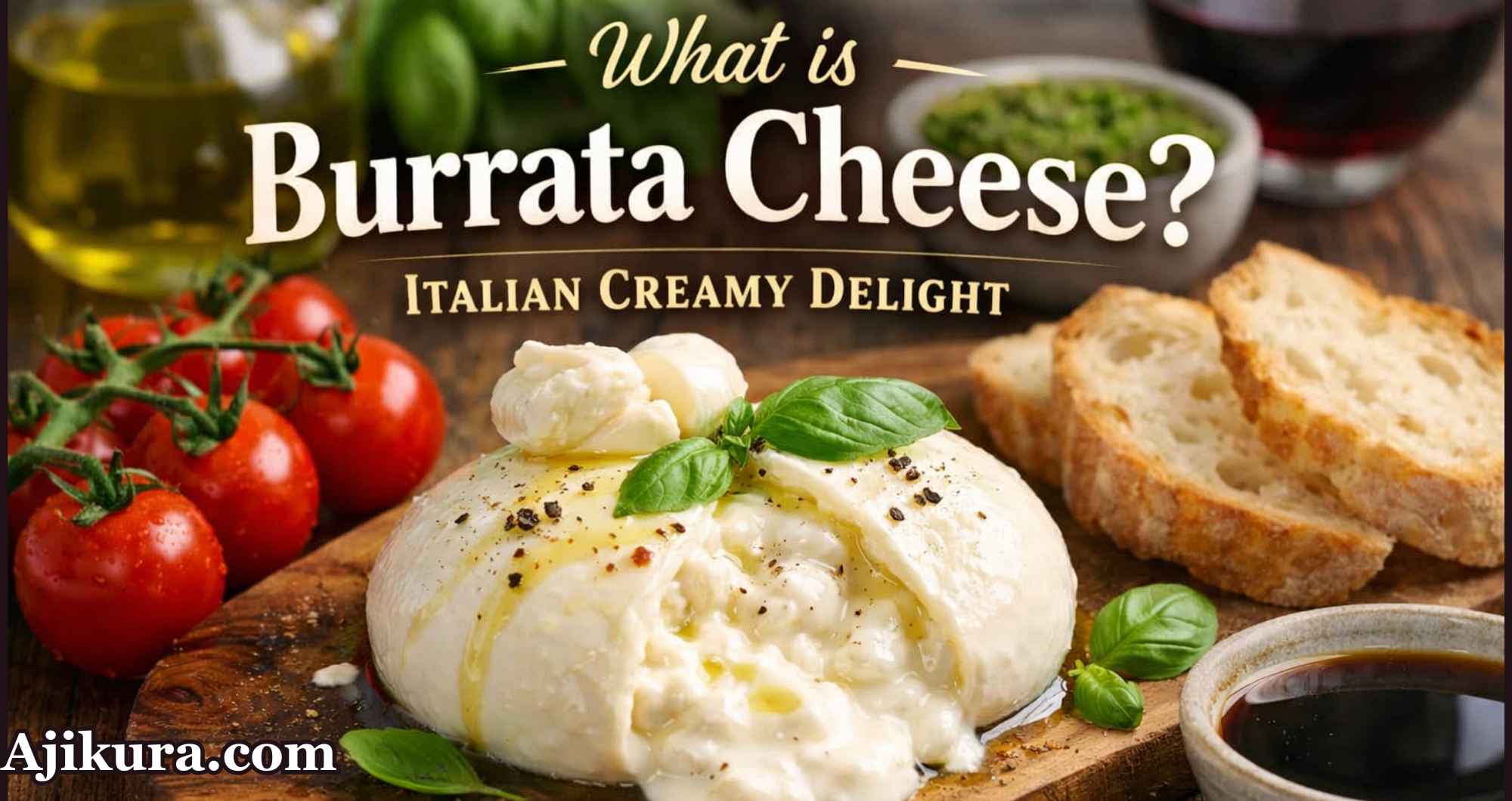
Burrata cheese is one of Italy’s best-kept secrets, a creamy delight that has captured the hearts and palates of food lovers worldwide. Imagine cutting into a delicate shell only to discover a luscious, buttery filling that flows out like liquid silk. This artisan cheese not only adds richness to dishes but also elevates simple meals into extraordinary culinary experiences.
With its origins rooted in the sun-soaked fields of Puglia, burrata embodies the essence of Italian cuisine—fresh ingredients, traditional methods, and an abundance of flavor. Whether you’re drizzling it with olive oil or pairing it with fresh tomatoes and basil, burrata offers endless possibilities for tantalizing taste buds.
Join us on this delectable journey as we delve deeper into burrata cheese: its history, how it’s made, what makes it unique, and tips for serving it at your next gathering. Get ready to savor all that this creamy treasure has to offer!
What is Burrata Cheese?
Burrata cheese is a fresh Italian cheese renowned for its creamy interior and delicate outer shell. Originating from the Puglia region, it combines mozzarella’s classic texture with a rich, buttery filling known as stracciatella. This unique composition sets burrata apart from other cheeses, making it a favorite among chefs and food enthusiasts alike.
The name “burrata” translates to “buttered” in Italian, reflecting its indulgent quality. When you slice into this exquisite cheese, you’ll find that the outer layer of mozzarella encases a soft mixture of cream and shreds of mozzarella curds. This delightful contrast creates an experience that’s both satisfying and luxurious.
Burrata can be enjoyed on its own or incorporated into various dishes. Its versatility makes it perfect for salads, pastas, or simply paired with crusty bread and fresh produce. The flavor profile is mild yet rich, allowing it to complement various ingredients without overpowering them.
This artisan cheese has gained immense popularity beyond Italy’s borders over recent years. Culinary enthusiasts now seek out burrata at gourmet markets and restaurants worldwide as they discover its delicious potential in diverse culinary creations.
History and Origin of Burrata
Burrata cheese has a rich history that traces back to the Apulia region of Southern Italy, specifically in the town of Andria. It was created in the late 19th century as a way to use leftover mozzarella curds, resulting in a delightful blend. The name “burrata” translates to “buttered” in Italian, referring to its creamy interior.
Traditionally made by hand, burrata’s production involves wrapping fresh mozzarella around a filling of cream and stracciatella (shredded mozzarella). This method was initially developed by cheese artisans looking for innovative ways to enhance their products while minimizing waste.
The popularity of burrata grew gradually within local communities before it caught the attention of chefs and food enthusiasts worldwide. By the 20th century, this indulgent cheese began appearing on menus outside Italy, showcasing its versatility and luxurious flavor.
Today, burrata is celebrated globally. Chefs experiment with it across various cuisines while maintaining its authentic roots. Each bite reflects centuries of craftsmanship rooted deeply in Italian heritage.
How Burrata Cheese is Made
Burrata cheese recipe is a delightful creation that begins with high-quality cow’s milk. This milk is heated and combined with rennet, which helps it curdle. Once the curds form, they are cut into small pieces to release whey, and then gently cooked until they reach the desired texture.
After cooking, the curds are drained and kneaded. In Burrata cheese recipe, this process transforms them into a smooth mass known as pasta filata. The dough-like consistency allows cheesemakers to shape it easily. A crucial step follows where mozzarella balls are formed from this mixture.
Next comes the magic of burrata: a soft pouch filled with creamy stracciatella—shredded fresh mozzarella mixed with heavy cream. This luxurious filling gives burrata its signature richness and contrast in textures when bitten into.
Each ball of burrata is sealed carefully before being packaged for distribution or enjoyed fresh. The delicate balance between firm outer layers and an indulgent interior makes every bite of burrata an exquisite experience for cheese lovers everywhere!
Taste and Texture of Burrata
Burrata cheese is a sensory experience that delights both the palate and the senses. Its outer shell is made of fresh mozzarella, which has a mild flavor and smooth texture. The moment you cut into it, a creamy center oozes out, revealing its true essence—rich, buttery goodness.
The inner filling consists of stracciatella, a mixture of cream and shredded mozzarella. This luscious blend contributes to burrata’s luxurious mouthfeel. Each bite offers an exquisite contrast between the firm exterior and soft interior. The taste is subtly sweet with hints of tanginess that awaken your taste buds.
When served at room temperature, burrata’s flavors become even more pronounced. It pairs beautifully with various accompaniments like tomatoes or balsamic vinegar, enhancing its natural richness without overpowering it.
This cheese invites creativity in culinary applications while standing strong on its own as a delightful starter or centerpiece in any dish. Enjoying burrata is not just about eating; it’s an indulgent experience meant to be savored slowly for maximum pleasure.
Types of Burrata Cheese
Burrata cheese is not just one type; it comes in various styles, each offering a unique flavor and experience. The most common form is the classic burrata, which features a soft outer shell made from mozzarella and a creamy center filled with stracciatella – strings of fresh curd soaked in cream.
Another popular variant is smoked burrata. This version undergoes a smoking process that infuses it with deep, rich flavors. It’s perfect for adding an extra layer of complexity to your dishes or serving on its own with simple accompaniments like bread and olive oil.
For those seeking something adventurous, truffle burrata has emerged as a gourmet choice. Infused with aromatic truffle oil or mixed with actual truffles, this variety elevates the taste profile significantly and pairs beautifully with earthy ingredients.
There are seasonal variations often found at local markets or artisanal cheese shops. These can include different herbs or spices blended into the filling, creating exciting new flavors while maintaining the delightful essence of traditional burrata cheese. Each type invites exploration and experimentation in the kitchen.
How to Store Burrata Cheese
Burrata cheese is best enjoyed fresh, but proper storage can help maintain its creamy texture and flavor for a short period. When you purchase burrata, keep it in its original packaging if possible. This helps to retain moisture and prevent exposure to air.
If the burrata comes in water or brine, be sure to keep it submerged until you’re ready to use it. If not, place the cheese in an airtight container with just enough liquid or olive oil to cover it. This prevents drying out and preserves that luscious interior.
Refrigeration is essential for storing burrata cheese. It should be kept at a temperature between 35°F and 40°F (1°C – 4°C). Avoid freezing burrata; this alters its unique texture and taste significantly.
Consume the cheese within two days of opening for optimal freshness. While leftover burrata may last longer in your fridge, it’s best when enjoyed right after being opened so you can savor every bit of its creamy delight.
How to Serve Burrata Cheese – Tips and Ideas
Serving burrata cheese is an art that enhances its creamy texture and rich flavor. Start by allowing the cheese to come to room temperature before serving. This brings out its full creaminess, making each bite more enjoyable.
Pair burrata with fresh ingredients for a delightful experience. Garden-fresh tomatoes, basil leaves, and a drizzle of extra virgin olive oil create a burrata cheese salad (classic Caprese salad). The vibrant colors and flavors complement the cheese perfectly.
For something unique, consider serving it on grilled bread or crostini. Toasted bread adds crunch while providing a perfect base for dollops of burrata topped with balsamic glaze or roasted vegetables.
Don’t forget about seasoning! A sprinkle of sea salt or cracked black pepper can elevate your dish further. Add some crushed red pepper flakes for spice if you like heat. Experimenting with different toppings can lead to exciting combinations that showcase this Italian delicacy beautifully.
Popular Dishes Using Burrata
Burrata cheese is a versatile ingredient that enhances various dishes with its creamy texture and rich flavor. One popular way to enjoy burrata is atop fresh, vibrant salads. Pair it with heirloom tomatoes, basil, and a drizzle of balsamic glaze for a refreshing summer dish that sings of Italian cuisine.
Another delightful option is incorporating burrata into pasta dishes. It melts beautifully when tossed with warm spaghetti or fettuccine, adding an indulgent creaminess. Combine it with sautéed garlic and spinach for a quick yet decadent meal that elevates any weeknight dinner.
For those who enjoy bruschetta, topping grilled bread slices with burrata can transform this classic appetizer into something extraordinary. Add roasted peppers or seasonal vegetables for extra flavor and color; the possibilities are endless.
Pizza lovers also adore adding burrata in place of traditional mozzarella. Its luscious interior creates an unforgettable experience when melted over pizza crusts topped with prosciutto or arugula, offering both taste and visual appeal on every slice you serve.
Pairing Burrata with Other Foods
Burrata cheese is a versatile ingredient that pairs excellently with various foods, enhancing their flavors. One popular combination is with ripe tomatoes and fresh basil. This classic pairing creates a vibrant Caprese salad that embodies the essence of Italian cuisine.
For a more indulgent option, try serving burrata alongside prosciutto or other cured meats. The richness of the cheese complements the salty notes of the meat beautifully. Drizzling some balsamic reduction over this combo adds an extra layer of flavor, elevating your appetizer game.
Burrata also shines when paired with seasonal fruits like peaches or figs. The sweetness of these fruits balances out the creaminess of the cheese, making for a delightful summer dish. A sprinkle of black pepper or sea salt can enhance this combination even further.
Consider incorporating burrata into warm dishes like risottos or pasta recipes. Its creamy texture melts wonderfully into hot dishes, adding richness without overpowering them. Mixing it in just before serving ensures it’s luxuriously gooey and perfect to savor every bite.
Health Benefits of Burrata Cheese
Burrata cheese is not just a delicious addition to your meals; it also offers several health benefits. Rich in calcium, burrata supports strong bones and teeth. Consuming dairy products like this can help maintain bone density, which is especially important as we age.
Another advantage of burrata is its protein content. Protein plays a crucial role in muscle repair and growth, making it an excellent choice for those who are active or looking to build strength. It provides essential amino acids that our bodies need for various functions.
Additionally, burrata contains healthy fats from the cream inside its outer shell. These fats can be beneficial for heart health when consumed in moderation. They provide energy while promoting satiety, which may aid weight management efforts.
This creamy delight includes vitamins A and B12, supporting immune function and overall well-being. Including burrata in your diet can contribute positively to your nutritional intake without sacrificing flavor or enjoyment.
Common Myths About Burrata
Burrata cheese often comes with a host of misconceptions. One prevalent myth is that burrata is simply mozzarella filled with cream. While it does contain fresh mozzarella on the outside, the creamy filling sets it apart, giving it a unique texture and flavor profile or where to buy burrata cheese?.
Another common belief is that burrata can be stored like other cheeses without special care. In reality, this delicate cheese requires proper refrigeration and should ideally be consumed within days of purchase to enjoy its best taste and texture.
Some people think that burrata must always be served cold. However, letting it sit at room temperature for about 30 minutes before serving enhances its flavors. The creamy interior becomes more luscious when warmed slightly.
Many assume all burrata tastes the same regardless of where it’s made. This isn’t true; different regions in Italy may produce distinct variations based on local milk sources and methods used in production, offering unique experiences for those who explore them.
FAQs About Burrata Cheese
Burrata cheese, with its creamy texture and rich flavor, has captivated the palates of food lovers around the world. Here are some frequently asked questions that dive deeper into this delightful Italian treasure.
What is Burrata Cheese Made Of?
Burrata consists primarily of mozzarella and cream. The outer shell is made from fresh mozzarella, while the inside contains a mixture of cream and straciatella, giving it a soft, gooey center.
How Long Does Burrata Last?
When properly stored in its original packaging or an airtight container in the refrigerator, burrata cheese near me can last for about 5 to 7 days. It’s best enjoyed fresh for optimal flavor and texture.
Can You Freeze Burrata Cheese?
Freezing is not recommended for burrata because it alters its delicate texture. The cream-filled interior may become grainy once thawed.
Is Burrata Healthy?
While it’s high in fat due to the cream content, burrata also offers protein and calcium benefits. Enjoying it in moderation as part of a balanced diet can be satisfying without overindulging.
What Dishes Pair Well With Burrata?
Burrata shines when paired with ripe tomatoes, basil pesto, crusty bread, or drizzled with balsamic glaze. Its versatility makes it an excellent addition to salads or pasta dishes as well.