 By Samuel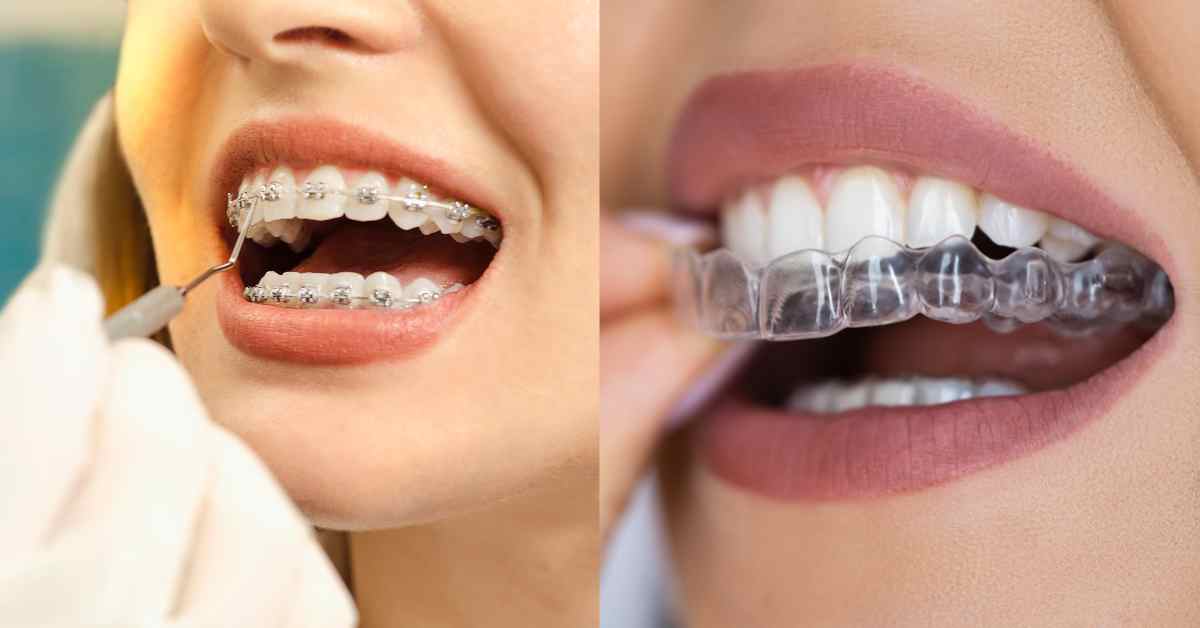
You want a straighter smile. You also want less stress. Clear aligners and traditional braces both move teeth. They do it in very different ways. Those differences affect your daily life, your budget, and your confidence during treatment. This guide explains four key differences. You will see how each option feels in your mouth, how it looks in photos, and how it fits your routine. You will also see how office visits and treatment time can change with each choice. A dentist in Buckhead, Atlanta can review your teeth and walk through these points with you. That talk matters. Teeth, gums, and jaw shape are unique. One option may protect your long term oral health better than the other. After you read this, you will know what to ask, what to expect, and what tradeoffs you are willing to accept.
1. How each option looks in daily life
Appearance is usually the first thing you think about. It shapes how you feel at work, at school, and in photos.
- Clear aligners use snug plastic trays that fit over your teeth. Most people do not notice them in normal light.
- Traditional braces use brackets and wires on the front of teeth. They show when you smile or talk.
Children and teens often do not mind metal. Adults often want something less visible. The right choice depends on your comfort with others seeing your treatment.
The National Institute of Dental and Craniofacial Research explains that a healthy bite does more than change looks. It protects chewing and speech over time.
2. How each choice feels in your mouth
Both clear aligners and braces move teeth with gentle pressure. The way they feel is different.
- Clear aligners feel smooth. They cover the teeth and do not have sharp edges. You switch to a new set every one or two weeks. Each new tray can cause pressure for a few days.
- Traditional braces use small brackets and a wire. You may feel rubbing on the lips or cheeks. Wax can cover rough spots. Tightening visits can cause soreness for a short time.
Children often adjust fast. Adults may care more about rubbing and sore spots because of work and sleep demands. You can plan softer foods on days when your teeth feel tender.
The American Dental Association stresses that slow, steady movement protects teeth and roots. You can see general guidance on orthodontic care at the ADA site.
3. Daily routine, eating, and cleaning
Your daily habits can guide your choice. Think about how you eat, how you clean your teeth, and how you follow rules.
| Topic | Clear Aligners | Traditional Braces
|
|---|---|---|
| Eating | Remove trays before every meal or snack. Drink only water with trays in. | Eat with braces on. Avoid hard, sticky, or crunchy foods that can break wires. |
| Cleaning Teeth | Brush and floss normally after each meal. Clean trays with cool water. | Brush around brackets and wires. Use floss threaders or small brushes. |
| Wear Time | Wear 20 to 22 hours each day. Taking them out too often slows progress. | Always on. You cannot remove them. Progress does not depend on wear time. |
| School and Sports | Remove for sports with a mouthguard if your dentist approves. | Use a custom mouthguard over braces for contact sports. |
| Breakage | Lost trays need quick replacement to stay on track. | Loose brackets or broken wires need a repair visit. |
Clear aligners can fit well if you keep a strong routine. You must remember to put them back in after eating. Braces can fit well if you want something fixed in place that you do not manage during the day.
4. Office visits, treatment time, and cost
The last key difference is practical. It involves time and money. Families often place this first.
- Office visits. Clear aligner visits can be less frequent once your dentist checks your early progress. You may still need checkups every few months. Braces often need more regular visits to adjust wires and check for broken parts.
- Treatment length. Simple crowding can take about the same time with both choices. Complex bite problems can respond better to braces. That can shorten treatment time compared with aligners for those cases.
- Cost. Costs vary by city, by case, and by insurance. Braces sometimes cost less for long or complex treatment. Clear aligners can cost more if many trays or refinements are needed.
Insurance plans often cover part of orthodontic care for children. Some plans also help adults. You can ask for a written estimate that lists exam, X-rays, treatment, and follow-up. Then you can compare total cost, not just the first payment.
How to choose what works for you
The right choice respects your health, your stress level, and your budget. You can start with three questions.
- How much does appearance during treatment matter to you?
- Can you follow strict rules about wearing and cleaning aligners?
- Does your bite problem need the extra control braces can offer?
Children may do better with braces if parents worry about lost trays. Teens who feel strong pressure about looks may do better with clear aligners. Adults often weigh work demands and family costs at the same time.
A trusted dentist or orthodontist will review your teeth, gums, and jaw. You can bring photos, a list of questions, and your insurance card. You can ask them to explain why one option fits your mouth better than the other. You can also ask about what happens after treatment, including retainers and long-term care.
A calm, honest talk now can spare regret later. When you understand these four differences, you can choose a treatment that fits your life and protects your smile for years.