 By Samuel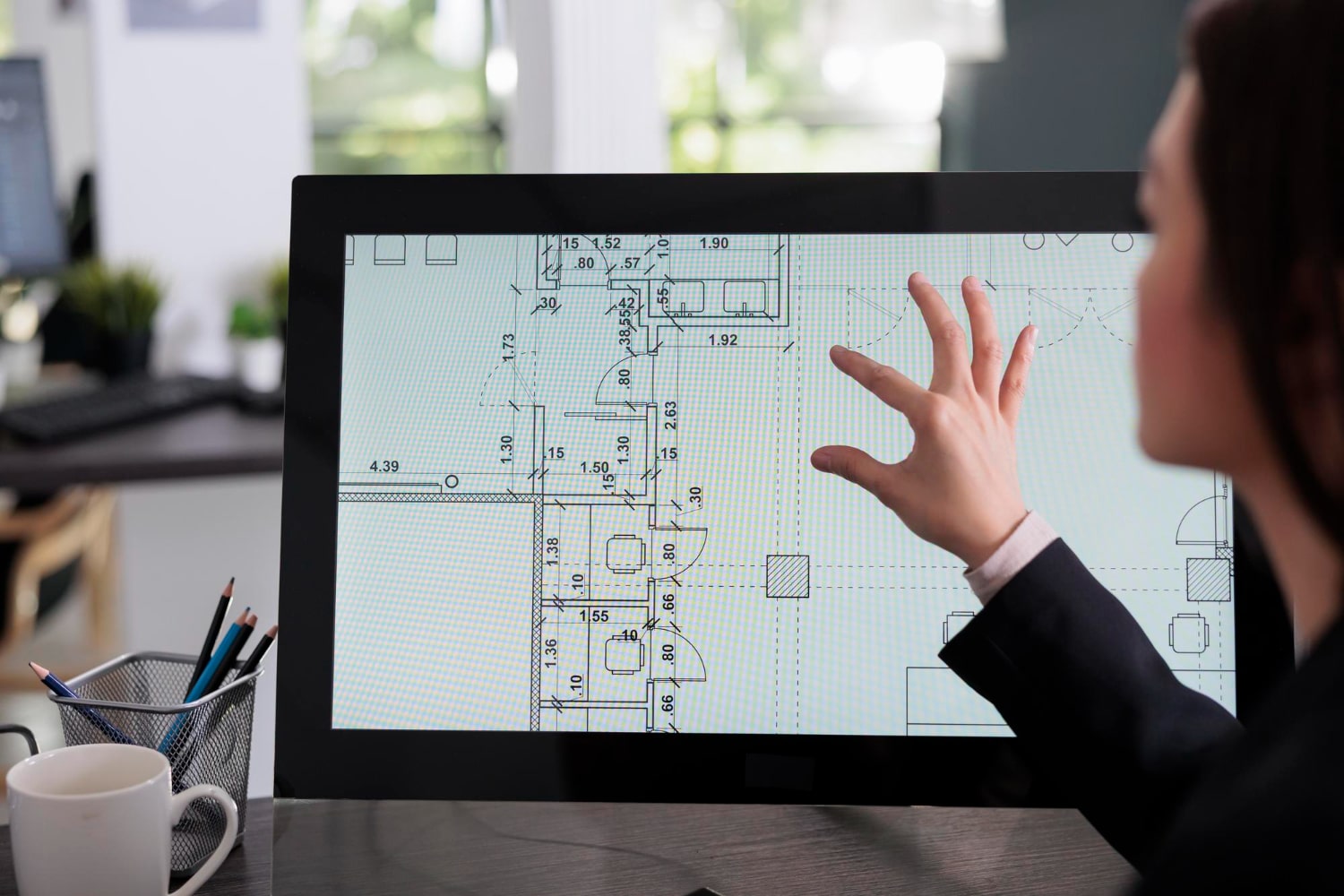
In today’s digital-first design environment, businesses across architecture, engineering, manufacturing, and construction rely heavily on accurate digital drawings. However, many organizations still work with legacy paper drawings, scanned blueprints, or outdated design files that are difficult to manage and modify. This is where cad conversion services in USA play a critical role.
CAD conversion transforms paper drawings, PDFs, raster images, or legacy files into precise digital CAD formats. For startups, architects, engineers, and construction firms, this process improves collaboration, ensures accuracy, and accelerates project timelines.
With the growing demand for digital transformation in design workflows, choosing the best cad conversion service provider has become more important than ever. But what exactly should businesses look for before hiring a provider?
This guide explores the key factors, industry trends, and practical insights to help decision-makers choose the right partner.
Why Are CAD Conversion Services Becoming Essential for Modern Businesses?
Across the construction and engineering sectors, digital transformation is reshaping the way projects are designed and executed.
According to the Global CAD Market report by Statista, the global CAD software market is projected to surpass $15 billion by 2030, driven largely by increased adoption in construction, manufacturing, and infrastructure development.
Many companies still store valuable design information in:
- Paper blueprints
- Scanned images
- Legacy CAD formats
- Hand-drawn sketches
These outdated formats make collaboration difficult and increase the risk of costly errors.
By using professional cad conversion services in USA, businesses can:
- Convert legacy drawings into editable CAD formats
- Improve project accuracy and documentation
- Enable easier collaboration between teams
- Reduce design errors and revisions
This is particularly valuable for organizations working on large infrastructure, architecture, or engineering projects.
What Exactly Are CAD Conversion Services?
CAD conversion refers to the process of converting non-editable or outdated design formats into modern CAD files such as DWG, DXF, or 3D models.
Companies offering accurate cad conversion service typically handle the conversion of:
- Paper drawings to CAD
- PDF to CAD
- Raster image to CAD
- 2D drawings to 3D models
- Legacy CAD file upgrades
These services allow businesses to modernize their design libraries without recreating drawings from scratch.
Why Are 2D CAD Conversion Services Still in High Demand?
While 3D modelling and BIM technologies are gaining traction, 2D cad conversion services remain highly relevant across multiple industries.
Many organizations still rely on 2D documentation for:
- Architectural floor plans
- Mechanical layouts
- Electrical schematics
- Structural drawings
According to insights from the American Institute of Architects, a significant portion of construction documentation still relies on 2D drawings due to regulatory requirements and ease of interpretation on-site.
This makes accurate 2D CAD conversion essential for maintaining design clarity and project documentation.
What Are the Key Benefits of Professional CAD Conversion?
Hiring a specialized provider offers several advantages beyond simple digitization.
1. Improved Design Accuracy
Manual drawing processes can introduce errors. Professional CAD conversion ensures precision using advanced drafting software and quality control processes.
2. Faster Project Timelines
Digitized drawings allow teams to quickly modify designs, share files, and collaborate across departments.
3. Cost Savings
Recreating drawings from scratch is expensive. Conversion services preserve existing design assets while making them usable in modern workflows.
4. Better Document Management
Digital CAD files can be stored, indexed, and shared easily across cloud platforms and project management systems.
What Should You Look for in the Best CAD Conversion Service Provider?
Choosing the right partner is critical to ensuring design accuracy and project success. Here are some essential factors to consider.
1. Industry Experience
A reliable provider should have experience working with industries such as:
- Architecture
- Engineering
- Construction
- Manufacturing
- Infrastructure development
Industry knowledge ensures they understand design standards and technical requirements.
2. Accuracy and Quality Assurance
Accuracy is the most important factor when choosing an accurate cad conversion service.
Look for providers that offer:
- Multi-level quality checks
- Manual drafting verification
- Compliance with international CAD standards
Even small errors in CAD drawings can lead to significant construction or manufacturing problems.
3. Advanced CAD Tools and Software
The best cad conversion service provider should use modern CAD tools such as:
- AutoCAD
- SolidWorks
- Revit
These platforms ensure compatibility with modern engineering and architectural workflows.
4. Scalability for Large Projects
Large infrastructure or construction projects may involve thousands of drawings.
Choose a provider that can handle:
- Bulk drawing conversions
- Large architectural plan libraries
- Multi-format file conversions
Scalability ensures your project timelines remain on track.
5. Data Security and Confidentiality
Design drawings often contain sensitive project information. Ensure the service provider follows strict data protection policies such as:
- Secure file transfer protocols
- Non-disclosure agreements (NDAs)
- Controlled access to design files
What Are the Latest Trends in CAD Conversion Services?
The CAD conversion industry continues to evolve as technology advances. Here are some important trends shaping the future of design digitization.
1. Integration with Building Information Modelling (BIM)
Many organizations now convert legacy drawings directly into BIM-compatible models.
This enables better collaboration among architects, engineers, and contractors using platforms like Autodesk Revit.
2. AI-Assisted CAD Conversion
Artificial intelligence is beginning to assist in identifying design elements from scanned drawings, accelerating the conversion process.
While human expertise remains essential for accuracy, AI tools help reduce turnaround times for large projects.
3. Cloud-Based CAD Collaboration
Cloud platforms are transforming the way design teams collaborate.
Solutions such as Autodesk Construction Cloud allow multiple stakeholders to access and update CAD drawings in real time.
What Challenges Should Businesses Consider Before Hiring?
Although CAD conversion provides numerous benefits, businesses should also be aware of potential challenges.
1. Poor Quality Source Drawings
Old paper drawings may be damaged, faded, or incomplete, making accurate conversion difficult.
2. Inconsistent Design Standards
Legacy drawings may not follow modern CAD standards, requiring additional drafting corrections.
3. Lack of Industry Knowledge
Generic service providers may not understand the specific requirements of architecture or engineering drawings.
This is why choosing a specialized provider with domain expertise is essential.
How Can Businesses Ensure High-Quality CAD Conversion?
To achieve the best results, companies should follow these best practices:
- Provide clear project requirements
- Share high-resolution source drawings
- Define CAD standards and layering guidelines
- Request sample conversions before full-scale projects
These steps help ensure the final CAD files meet your technical expectations.
Final Thoughts:
As industries continue to embrace digital workflows, the importance of professional cad conversion services in USA will only grow. From improving design accuracy to enabling seamless collaboration, CAD conversion plays a vital role in modern architecture, engineering, and manufacturing projects.
However, selecting the right provider requires careful consideration of expertise, accuracy, technology, and scalability.
For organizations seeking reliable design support, partnering with an experienced CAD specialist can make a significant difference. Many global businesses today work with established design partners such as Shalin Designs, known for delivering high-quality drafting and conversion services tailored to modern project needs.
Ultimately, the right CAD conversion partner helps businesses unlock the full value of their design data while improving efficiency and project outcomes.
FAQs
1. What are CAD conversion services?
CAD conversion services involve transforming paper drawings, scanned images, or PDF files into editable CAD formats such as DWG or DXF. Businesses use cad conversion services in USA to digitize legacy drawings and improve design accuracy, collaboration, and project efficiency.
2. Why do businesses need CAD conversion services?
Businesses need CAD conversion services to modernize outdated design documents. Converting paper or raster drawings into digital CAD files improves design precision, speeds up project workflows, and makes it easier for teams to collaborate across architecture, engineering, and construction projects.
3. What industries commonly use CAD conversion services?
Many industries rely on CAD conversion services, including:
- Architecture and construction
- Mechanical engineering
- Manufacturing and product design
- Infrastructure and civil engineering
- Real estate and property development
These industries use 2D CAD conversion services to manage large design documentation and improve project planning.
4. What should you look for in the best CAD conversion service provider?
When choosing the best CAD conversion service provider, businesses should evaluate:
- Industry experience
- Accuracy and quality control
- CAD software expertise
- Data security measures
- Ability to handle large-scale projects
A reliable provider should also offer an accurate cad conversion service that follows international drafting standards.
5. How accurate are professional CAD conversion services?
Professional CAD conversion services typically achieve high accuracy levels of up to 99% when performed by experienced drafting professionals. Accuracy depends on the quality of the source drawings and the expertise of the CAD specialists handling the conversion.
6. What is the difference between 2D CAD conversion and 3D CAD conversion?
2D CAD conversion services involve converting drawings into flat technical representations such as floor plans, layouts, or schematics.
3D CAD conversion creates detailed three-dimensional models that help engineers visualize structures, simulate designs, and improve product development processes.
7. How much do CAD conversion services cost in the USA?
The cost of cad conversion services in USA varies depending on several factors, including drawing complexity, file format, project size, and turnaround time. Simple 2D drawing conversions may cost less, while complex architectural or engineering drawings require more detailed drafting work.