 By Sky Bloom IT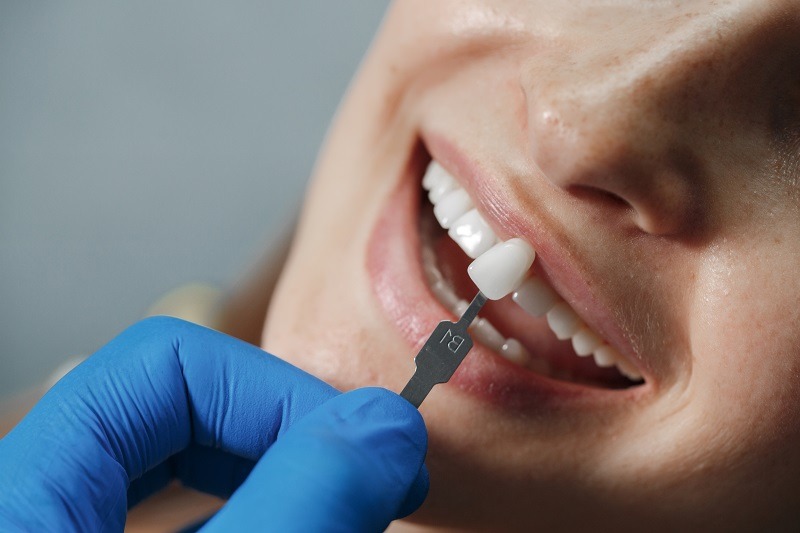
A smile does more than show teeth. It shapes first impressions, boosts confidence, and often reflects how we feel about ourselves. Yet many people hold back from smiling fully because of chips, stains, gaps, or uneven alignment. Cosmetic dentistry exists to address these concerns in practical, modern ways—without changing who you are, just how confidently you show it.
What’s reassuring is that today’s cosmetic dental treatments are far more accessible and subtle than many people expect. They’re designed to enhance, not overhaul. Let’s explore some of the most common procedures and how each one can improve a smile in real, everyday terms.
Teeth Whitening: Brightening What You Already Have
Teeth whitening is often the first cosmetic treatment people consider—and for good reason. Over time, teeth naturally pick up stains from coffee, tea, red wine, and even healthy foods like berries. Whitening focuses on lifting those stains to reveal a brighter version of your natural smile.
Think of it like refreshing a favourite white shirt. The fabric hasn’t changed, but removing built-up discolouration makes it look new again. Whitening can be done in-clinic for faster results or with supervised take-home options for gradual improvement.
The impact is often immediate. Many people notice they smile more freely, feel more polished in photos, and even appear more energetic. It’s a small change with a surprisingly big effect.
Veneers and Bonding: Repairing Shape, Chips, and Gaps
When concerns go beyond colour—such as chipped edges, small gaps, or uneven shapes—veneers and bonding come into play.
Composite bonding uses a tooth-coloured material to repair or reshape parts of a tooth. It’s often used for small fixes, like smoothing a chipped edge or closing a minor gap. The process is typically quick and conservative, making it a popular choice for subtle improvements.
Porcelain veneers, on the other hand, are thin shells designed to cover the front surface of teeth. They’re crafted to match your natural smile while improving symmetry, shape, and colour. Veneers are often chosen by people seeking a more comprehensive smile refresh.
In other industries, this is similar to tailoring clothing. A good tailor doesn’t replace your wardrobe—they adjust it so everything fits better. Veneers and bonding work the same way, refining what’s already there.
Aligners: Straightening Teeth Without Drawing Attention
Not everyone who wants straighter teeth wants traditional braces. Clear aligners have changed the landscape of cosmetic dentistry by offering a discreet way to improve alignment.
Aligners gently move teeth over time, addressing crowding, spacing, or bite issues. Because they’re removable and transparent, they fit more easily into adult lifestyles. People can continue working, socialising, and attending events without feeling self-conscious.
This mirrors trends in other fields where form meets function—like wireless earbuds replacing bulky headphones. The technology is effective, but it stays out of the spotlight.
Straighter teeth aren’t just about looks. Alignment can make cleaning easier and reduce uneven wear, supporting long-term oral health alongside aesthetic benefits.
Gum Contouring: Balancing the Smile Frame
Sometimes the issue isn’t the teeth themselves, but how much gum shows when you smile. Gum contouring reshapes the gum line to create a better balance between teeth and gums.
It’s a bit like adjusting the frame around a picture. The artwork hasn’t changed, but the presentation improves dramatically. For people who feel their teeth look short or their smile looks “gummy,” this procedure can make a meaningful difference.
Because it focuses on proportion rather than colour or shape, gum contouring often pairs well with other cosmetic treatments for a harmonious result.
Understanding the Bigger Picture of Cosmetic Dentistry
Cosmetic dentistry isn’t just a collection of individual treatments—it’s an approach that blends aesthetics with function. The goal is to enhance appearance while respecting comfort, health, and longevity.
If you’re curious about how these procedures fit together, learning more about cosmetic dentistry as a field can be helpful. It covers the principles behind smile design, materials used, and how treatments are planned to suit individual faces and lifestyles.
Seeing cosmetic care in this broader context helps demystify it. It’s not about chasing perfection; it’s about thoughtful improvement.
Choosing Treatments That Fit Real Life
One of the biggest misconceptions is that cosmetic dentistry is only for dramatic makeovers. In reality, many people choose just one small change—a brighter shade, a repaired chip, or a closed gap.
Good cosmetic planning considers daily life. How do you talk, laugh, eat, and smile? How much maintenance feels comfortable? Just as interior designers consider how a space is used before choosing furniture, cosmetic dental treatments should fit the person, not the other way around.
For those exploring available options and wanting to see how procedures are typically presented, you can visit link to review common cosmetic dentistry treatments and understand how they’re grouped and explained.
Clear information makes decision-making feel calmer and more confident.
Why Confidence Is the Real Outcome
While cosmetic dentistry focuses on appearance, the real benefit is often emotional. People who feel good about their smile tend to smile more, speak more freely, and feel more comfortable in social and professional settings.
This confidence effect is well-documented across many industries. Updated eyewear can change how someone feels about their face. Well-fitted clothing can improve posture and presence. A refreshed smile works in much the same way.
Importantly, cosmetic dentistry today emphasises natural results. Treatments are designed to look like you, just more comfortable in your own skin.
A Thoughtful Path to a Better Smile
Common cosmetic dentistry procedures—like whitening, bonding, veneers, aligners, and gum contouring—address different concerns but share a common goal: helping people feel confident when they smile.
With modern techniques, improvements can be subtle, personalised, and aligned with everyday life. Whether someone chooses a single treatment or a combination, the best results come from understanding options and choosing what genuinely fits their needs.
A better smile isn’t about changing who you are. It’s about removing the small barriers that keep you from showing it.