 By Allen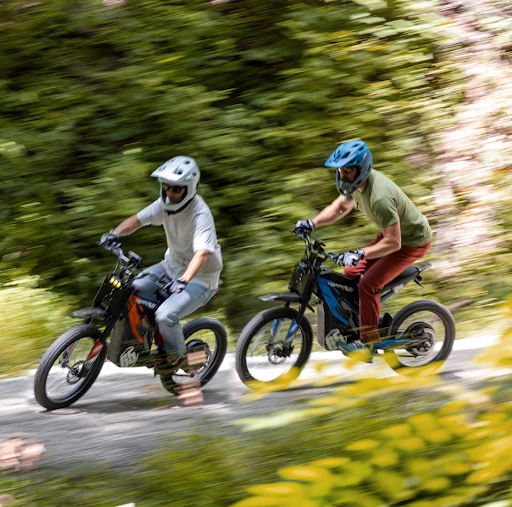
The “Crunch” That Ruined My Shot
Every wildlife photographer knows the specific pain I’m talking about.
Last month, I spent three hours hiking into a ridge position before dawn. I checked the wind. I set up the blind. I waited. And just as the light hit the clearing, I shifted my weight to check a setting. A dry branch snapped under my boot.
Snap.
Three hundred yards away, heads went up. Ears swiveled. And three seconds later, the clearing was empty.
Patience is part of the game, sure. But the approach—how you actually get to the spot—is where most of us fail. For years, I struggled with the trade-off: hike in and arrive exhausted (and sweaty, which spreads scent), or take a gas quad and scare everything within a two-mile radius before I even park.
We need to talk about the third option. It’s not perfect, but it’s changing how I work in the field.
Why Gas Engines Are the Enemy
I used to rely on a gas-powered ATV to haul my 600mm lens and tripod deep into the backcountry. It saved my back, but it killed my opportunities.
Combustion engines operate at a frequency that drives animals crazy. It’s not just the volume; it’s the vibration and the smell. Deer and birds often flee long before you cut the engine. Even if they stay, they are on high alert. You aren’t getting those natural, relaxed behavioral shots when the subject has been listening to your engine for the last ten minutes.
So, you end up parking a mile away and hiking the rest. At that point, why did you even bring the vehicle?
The Electric Shift: What It Actually Feels Like
When I first tried an electric bike for scouting, it felt weird. No idle noise. No heat.
But then I rode past a grazing herd of elk at 15 mph, and they didn’t even look up.
That was the lightbulb moment. An electric dirt bike changes your acoustic footprint. It allows you to move through corridors without broadcasting your location. You aren’t invisible, but you are significantly less intrusive.
This isn’t just about stealth; it’s about physical management. Riding electric means I arrive at my hide with a lower heart rate. I’m not drenched in sweat. My hands are steady because I haven’t just hiked five miles with a 30-pound pack. That physical calmness translates directly to better hand-holding technique when I pick up the camera.
Field Test: The HappyRun G300 Pro
I’ve been seeing more photographers strapping gear to high-powered electric bikes recently. To give you a concrete example of what works, let’s look at the specs of the HappyRun G300 Pro. I’m using this as a reference because it hits the sweet spot between a mountain bike and a full motorcycle.
Here is why specs actually matter in the dirt, not just on a spec sheet:
- Torque over Speed: I don’t care about the 50 mph top speed. I care that the 6500W peak motor can drag me plus a heavy fluid head tripod up a steep fire trail without stalling. That low-end grunt is what gets you to the ridge.
- Range Reality: The 72V 30Ah battery claims 70+ miles. In real-world mud and hills, you might get less, but it’s still enough to get you deep into the grid and back without the anxiety of pedaling a heavy bike home.
- Suspension for Glass: This is critical. You are carrying delicate glass. A rigid frame will rattle your lens elements loose. The full suspension on the G300 Pro isn’t just for comfort; it dampens the micro-shocks that would otherwise travel straight into your camera bag.
How to Pack (Don’t Break Your Gear)
A word of warning from someone who learned the hard way: Do not strap your camera bag directly to the bike frame.
Even with good suspension, the vibration on an electric dirt bike for adults is too harsh for sensors and image stabilizers.
- Wear the weight: Put your camera body and lenses in a high-quality backpack. Your legs acting as shock absorbers are the best protection your gear has.
- Strap the durable stuff: Use the bike’s rear rack for the tripod, blind, water, and sandbags.
- Keep it low: Electric bikes are heavy. Keep your center of gravity low to handle technical terrain at slow speeds.
Ethics: Don’t Be “That Guy”
Just because you are quiet doesn’t mean you have a free pass to harass wildlife.
Electric bikes allow you to get closer, which means you have a higher responsibility to back off. If you use the speed and silence of an e-bike to chase animals or get too close to nesting sites, you are part of the problem.
Stay on established trails. Park the bike well away from the shooting zone. Use the technology to observe, not to intrude.
The Bottom Line
Is an electric bike a magic wand? No. You still need fieldcraft. You still need to understand light and composition.
But as a tool for access, it beats hiking with 50 pounds of gear, and it beats the noise of a gas engine. It gets me to the spot faster, quieter, and fresher. And in this game, that’s usually the difference between getting the shot and going home with an empty memory card.