 By Allen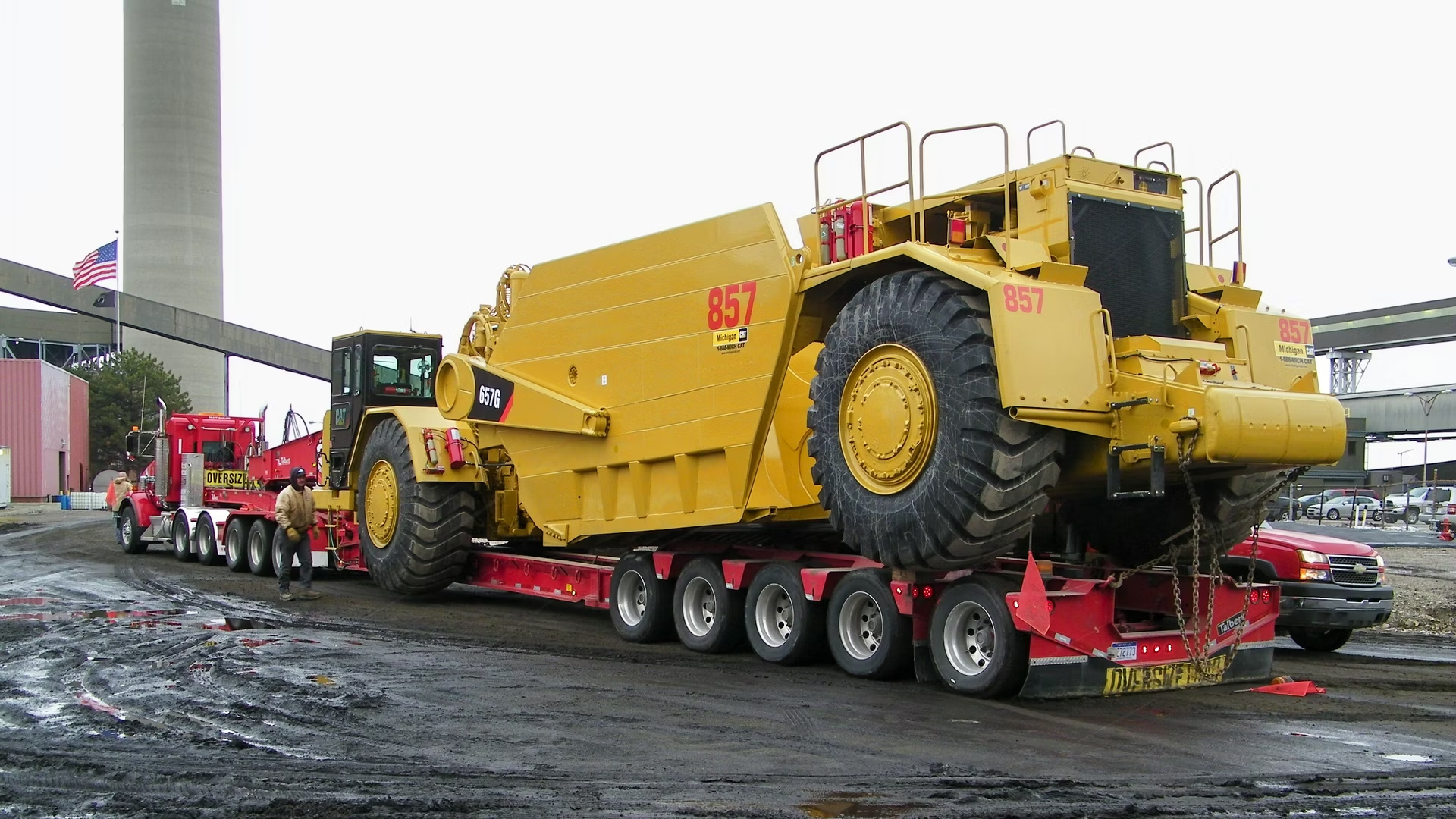
Transporting massive machinery is a complex operation that demands precision, planning, and strict adherence to safety protocols. Moving an excavator or bulldozer is not as simple as driving a car onto a flatbed. It requires specialized knowledge to ensure the load arrives intact and that everyone on the road stays safe. This guide breaks down the essential elements of heavy haulage, from selecting the right transport vehicle to preparing the machine for its journey.
Understanding the Basics of Load Classification
Before any wheels turn, you must understand exactly what you are moving. Heavy equipment varies significantly in weight, dimensions, and shape. These factors dictate the type of trailer required and the route you can legally take.
Classifying the load involves getting accurate measurements of the machine’s height, width, length, and weight. Even a few inches can change the permit requirements or force a route change to avoid low bridges. Most standard flatbeds can handle smaller equipment, but oversized loads trigger a different set of rules. If a machine exceeds legal width or weight limits, you will likely need specific permits and potentially pilot cars to escort the shipment.
Selecting the Right Trailer for the Job
Choosing the correct trailer is perhaps the most critical decision in the hauling process. Using an undersized trailer can lead to catastrophic mechanical failure, while an oversized one might cause unnecessary routing difficulties.
Standard flatbed trailers work well for smaller skid steers or mini excavators. However, taller equipment presents a height challenge. Legal height limits on most highways are strict. To mitigate this, many haulers utilize step-deck trailers, which sit closer to the ground, allowing for taller loads without hitting overhead obstructions.
For the heaviest and tallest machinery, specialized trailers become necessary. A lowboy gooseneck trailer is often the preferred choice for these massive loads because its well sits very close to the pavement, maximizing the available vertical clearance while supporting tremendous weight. Knowing the weight capacity of each axle is also vital to prevent fines at weigh stations and ensure the truck can stop safely.
Essential Preparation Steps
Proper preparation prevents accidents. You cannot simply park a machine on a trailer and drive away. The equipment must be secured and readied for transport to prevent movement during transit.
Cleaning and Inspection
Start by cleaning the equipment. Mud, rocks, and debris can fly off during transport and damage other vehicles. A clean machine also reveals attachment points and potential mechanical issues that might affect tie-down procedures. Inspect the tires or tracks for damage and check for any fluid leaks.
Securing Movable Parts
Heavy machinery has many moving components. Buckets, booms, and arms must be lowered and secured. If a turret can rotate, lock it in place. Any loose items inside the cab should be removed or fastened down. Doors and windows must be latched tight. Tape over the exhaust stack to prevent turbo damage from the wind rushing into it during transport.
Disconnecting Batteries
For long-distance hauls, it is often wise to disconnect the battery. This prevents the electrical system from draining or shorting out during the trip.
The Art of Load Securement
Once the machine is on the trailer, it must stay there. Federal regulations dictate specific tie-down requirements based on the weight of the cargo. The aggregate working load limit of the tie-downs must equal at least half the weight of the cargo.
Chains are the standard for heavy equipment. They must be inspected for weak links or stretching before use. Binders act to tighten these chains, ensuring there is zero slack. Utilize the designated tie-down points on the manufacturer’s frame. Never attach chains to sensitive components like hydraulic cylinders or drive shafts.
Using friction mats under the tracks or wheels provides an extra layer of security by reducing the chance of the machine sliding on the trailer deck. Four points of contact are the minimum, but heavier loads often require more chains to prevent forward, backward, and lateral movement.
Route Planning and Safety
Driving a loaded truck requires intense focus. The driver must be aware of the vehicle’s total weight and stopping distance. Heavy loads carry significant momentum.
Route planning is essential. Avoid roads with low clearances or weight-restricted bridges. GPS systems designed for standard cars will not suffice; truckers need commercial navigation tools that account for vehicle size. The weather also plays a huge role. High winds can destabilize high-profile loads, and rain increases stopping distances significantly.
Safety extends to the loading and unloading zones as well. Ensure the ground is level and firm to prevent the trailer or ramp from sinking or shifting while the machine is driven on or off. Clear the area of unnecessary personnel to minimize risk.
Hauling heavy equipment is a serious responsibility. By meticulously selecting the right equipment, thoroughly preparing the load, and adhering to strict securement standards, operators can ensure that these massive machines reach their destination ready to work.