 By Allen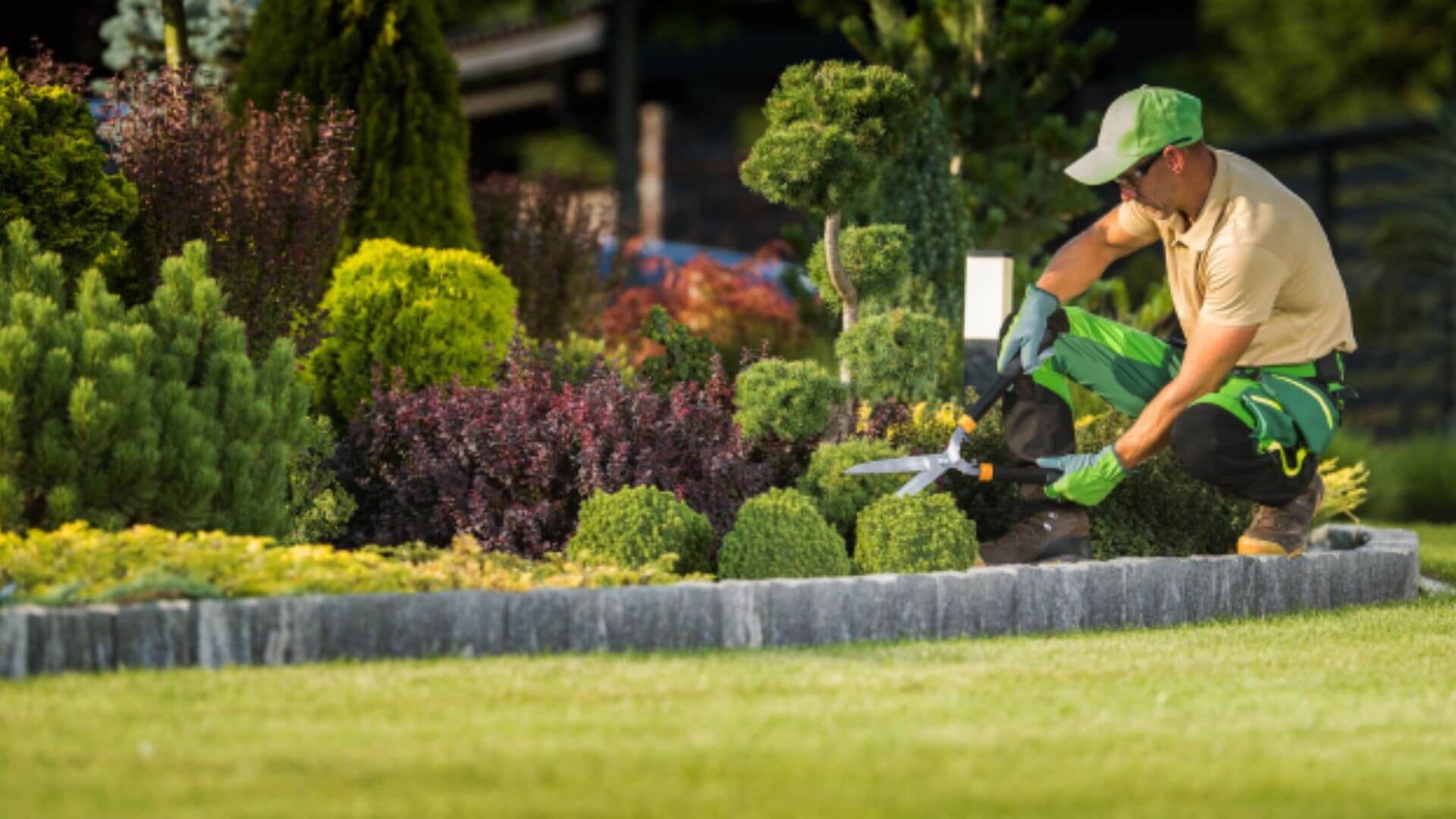
Picture this: A potential buyer drives past two similar strata properties on the same street. One has lush green lawns, neatly trimmed hedges, and colorful flowers. The other has patchy grass, overgrown bushes, and weeds poking through the paths. Which one do you think they’ll want to view first?
The answer is obvious. Gardens might seem like just a nice touch, but they’re actually one of the smartest investments a strata property can make. Good garden care does more than make a place look pretty. It boosts property values, keeps tenants happy, and saves money in the long run. Let’s look at why regular garden maintenance should be at the top of every strata committee’s priority list.
Why First Impressions Matter for Strata Properties
You never get a second chance to make a first impression. For strata properties, the garden is that first impression. Before anyone steps inside a unit, they see the grounds. They notice the lawn, the garden beds, the trees, and the pathways.
Well-kept gardens tell a story. They say the property is cared for and managed properly. If the gardens look good, people assume everything else is probably in good shape too. But when gardens look neglected, it raises red flags. Buyers and tenants start wondering what else might be wrong.
Research backs this up. Studies show that good landscaping can be the deciding factor for up to 85% of property buyers. When people see beautiful outdoor spaces, they’re more likely to stop, look, and seriously consider making an offer.
This is where professional strata garden maintenance makes a real difference. Regular, expert care keeps gardens looking their best year-round. It’s not just about mowing the lawn once in a while. It’s about consistent attention that maintains curb appeal and protects your investment.
The Real Numbers: How Much Value Do Gardens Add?
Let’s talk actual dollars. Good garden care isn’t just about looking nice. It directly affects how much your property is worth.
Property Value Increases
Multiple studies have shown that quality landscaping can increase property values by 5% to 15%. That might not sound huge, but think about what it means in real terms. On a strata property worth $500,000, that’s an extra $25,000 to $75,000 in value. For a million-dollar property, you’re looking at $50,000 to $150,000.
One study found that homes with excellent landscaping sold for 6% to 7% more than similar homes with basic or poor landscaping. Another showed that mature trees alone can add thousands to a property’s value.
The math is simple. Spending a few thousand dollars a year on garden maintenance can add tens of thousands to your property’s market value. That’s a return on investment most other upgrades can’t match.
Faster Sales and Higher Rental Demand
Value isn’t the only benefit. Properties with great gardens also sell faster. When your strata property hits the market with beautiful outdoor spaces, it stands out from the competition. Buyers notice it online, they want to see it in person, and they’re more likely to make an offer quickly.
The same goes for rentals. Tenants are willing to pay more for properties with nice gardens and outdoor areas. They also tend to stay longer, which means less turnover and lower vacancy rates for unit owners. In competitive rental markets, good gardens give your property a clear edge.
Beyond Dollars: The Hidden Benefits of Regular Garden Care
The financial gains are great, but regular garden maintenance delivers other valuable benefits too.
Happier Tenants Mean Longer Leases
People want to live in places that feel good. Well-maintained gardens create pleasant outdoor spaces where residents can relax, kids can play, and neighbors can meet. These shared green spaces build community and make people feel proud of where they live.
When tenants are happy with their surroundings, they stick around. Longer tenancies mean more stable income for unit owners and less hassle for property managers. The cost of finding new tenants, processing applications, and dealing with move-ins and move-outs adds up fast. Keeping good tenants in place saves everyone time and money.
Preventing Costly Problems Before They Start
Regular garden care isn’t just about making things pretty. It’s also about preventing problems before they get expensive.
Overgrown plants can damage buildings. Tree roots can crack foundations and pathways. Vines can work their way under roof tiles and into walls. Neglected gardens become homes for pests like rats, snakes, and termites. Dead trees become safety hazards that could fall and cause serious damage.
When gardens are maintained regularly, these issues get spotted early. A gardener notices when a tree is getting too close to a building. They see drainage problems before water damage happens. They keep plants healthy so pests don’t move in.
The cost of regular maintenance is always less than the cost of emergency repairs. Fixing a cracked foundation or removing a fallen tree costs thousands. Regular garden care costs hundreds. The choice is obvious.
What Makes Garden Maintenance Effective for Strata Properties
Not all garden care is equal. Effective maintenance for strata properties includes several key tasks done consistently throughout the year.
Regular lawn mowing and edging keeps grass looking neat and healthy. It’s usually needed every one to two weeks during growing season. Seasonal pruning and trimming keeps trees and shrubs in shape and prevents overgrowth. This is typically done a few times a year depending on the plants.
Weed control is ongoing. Weeds don’t just look bad. They compete with your good plants for water and nutrients. Regular weeding and mulching keeps them under control. Speaking of mulch, fresh mulch in garden beds makes everything look clean while helping soil retain moisture and blocking weeds.
Pathway and hardscape cleaning matters too. Pressure washing paths, driveways, and common areas removes dirt, algae, and stains. It makes outdoor spaces look fresh and prevents slippery surfaces that could cause injuries.
The difference between DIY and professional care shows up in consistency and expertise. Volunteers from the strata committee might help occasionally, but professional gardeners bring knowledge, proper tools, and regular schedules. They know which plants need what care and when. They catch problems early. Most importantly, they show up consistently, which is what keeps gardens looking good.
Smart Investment: Making Garden Care Work for Your Budget
Some strata committees see garden maintenance as an expense they’d rather cut. That’s short-sighted. Think of it as an investment that pays dividends through higher property values, happier tenants, and fewer costly repairs.
Start by creating a maintenance schedule that fits your property’s needs and budget. Some tasks need to be done weekly, others monthly or seasonally. Work with a professional to figure out what your specific property requires. Not every strata needs the same level of care.
Look at the return on investment. If regular garden care costs $5,000 a year but adds $30,000 to your property’s value, that’s money well spent. Even if it only prevents one major repair issue worth $10,000, it’s paid for itself twice over.
Garden maintenance should be viewed as part of your overall property management strategy, right alongside building maintenance, insurance, and repairs. It’s not a luxury. It’s a necessary investment in protecting and growing the value of every owner’s asset.
Conclusion
Great gardens do more than just look nice. They boost property values, attract quality tenants, prevent expensive problems, and create spaces where people actually want to live. The evidence is clear: regular garden care is one of the best investments a strata property can make.
For strata committees and property managers, the message is simple. Don’t treat garden maintenance as an optional extra or something to cut when budgets are tight. Treat it as the value-building, money-saving strategy it really is. Your property values, your tenants, and your bottom line will all thank you for it.
Beautiful gardens don’t happen by accident. They’re the result of consistent care and attention. Make garden maintenance a priority, and watch your property thrive.