 By IQnewswire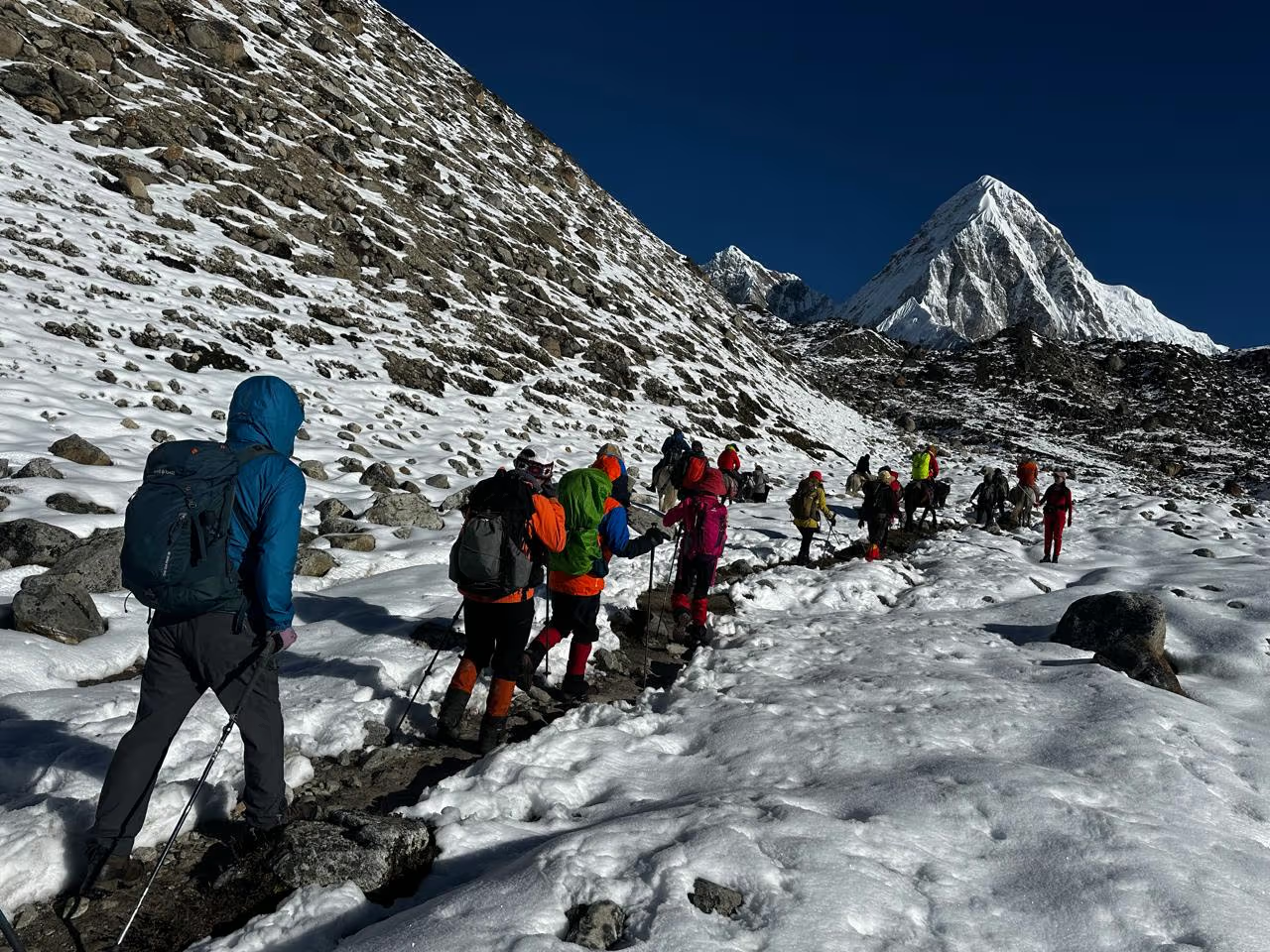
Himalaya is big. Very big. Many people say it is heaven on earth. And they are right. If you love mountains, cold air, snow, and adventure, then a Himalayan trek is a must. There are many treks, but three of them are famous. Everest Base Camp Trek, Annapurna Base Camp Trek, and Annapurna Circuit Trek. Each trek is different. Each trek has magic. Today, we explore them.
Everest Base Camp Trek
Everest. The name itself makes the heart beat fast. The highest mountain in the world. Every year thousands of people come here. The Everest Base Camp Trek is very famous. Not only because of the mountain, but also because of adventure, culture, and people. The trail starts from Lukla. Small airport, very scary for new people, but exciting. You fly from Kathmandu to Lukla. Then walk, walk, walk. The first day was easy, just small hills. But every day gets harder.
The trail is full of forests, rivers, and villages. People of Sherpa live here. They’re very friendly. You see monasteries, prayer flags, and big mountains. Every day your legs hurt, but your heart is happy. Many lodges on the way. Tea houses. Cheap, small rooms, warm food. You eat dal bhat, noodles, and soup. Every night feels cold. But sleep well because you’re tired.
Highlights of Everest Base Camp Trek. Everest View Hotel is one. Kala Patthar is a must. Early morning hikes there give the best sunrise. Mountains all around. Snow everywhere. Feeling is amazing. You feel small but lucky. The trek takes about 12 to 14 days. Some take more if slow. Best time: spring and autumn. Spring because of flowers, autumn because of clear sky.
Annapurna Base Camp Trek
The Annapurna region is different. Less cold than the Everest region, but still mountains. The Annapurna Base Camp Trek starts from Pokhara. Beautiful city. Lake Phewa, boats, and a view of Machhapuchhre mountain. Then the trek starts. First days are easy. Walk through small villages and see rice fields. People of the Gurung and Magar live here. You learn culture, food, and life.
The trail is green. Many flowers, forest. Big rivers. Bridges swing. Feeling excited, a little scared. Then you climb higher. Villages are small, and lodges are simple. Tea, dal bhat, and momos. Annapurna Base Camp at the end. Big mountains circle around you. Machhapuchhre peak is like a pointing finger to the sky. Snow, clouds, cold wind. Stay there and watch the sunset and sunrise. Magic. Trek 7 to 10 days. Spring and autumn are best.
Unlike the Everest trek, the Annapurna Base Camp trek is shorter and easier. But the view is no less beautiful. Some people say it is more beautiful because of the green flowers and mountains close by. You see glaciers, rivers, and forests in the same trek. Many people love it. Many first-time trekkers choose this.
Annapurna Circuit Trek
Now a big one. Annapurna Circuit Trek. Long trek. Around Annapurna Massif. About 17 to 21 days. Harder than Base Camp. But adventure more. You start from Besisahar. Walk through small villages and rice fields. Meet people. Culture is very different in each valley. Weather change. Hot in low, cold in high. Trail across Thorong La Pass. Very high. 5416 meters. Hardest day for many people.
Circuit treks give a full experience. Forest, river, snow, mountains. Villages are very traditional. People are very friendly. Tea houses everywhere. You sleep, eat, and meet other trekkers. The trail is sometimes dusty, sometimes muddy, and sometimes snowy. Every day is a new adventure. Some days are easy, some are very hard. You feel tired but happy.
The best part is the Annapurna Circuit gives everything. View of Annapurna South, Machhapuchhre, Dhaulagiri, and Tilicho Lake. Many people say Tilicho Lake is a hidden gem. Cold, clear water. Reflection of mountains. Amazing. Trek longer and harder, but worth every step.
Comparison of Three Treks
All three trek differently. Everest Base Camp is high, cold, and snowy. Annapurna Base Camp: green, beautiful, and easier. The Annapurna Circuit is a long, challenging adventure.
If a first-time trekker, Annapurna Base Camp is good. Short, beautiful, and not too hard. If you want a challenge, Everest Base Camp is good. High, cold culture, Sherpa villages. If you want a full adventure, Annapurna Circuit. Long, many days, high pass, many landscapes.
All treks have tea houses. Lodging is simple. Food: dal bhat, noodles, soup, momos. Weather changes fast. Bring warm clothes, a raincoat, boots, a hat, and gloves. Every trek needs good shoes. Daypack for water, snacks, and camera. Trekking poles are helpful.
Culture and People
The Himalayas are not only mountains. People here make the trek special. Sherpa in the Everest region, Gurung and Magar in Annapurna. They smile, help, and tell stories. You see monasteries, stupas, and prayer flags. Festivals sometimes happen. People are very peaceful. You learn simple life. You see how people live with mountains, cold, and snow. Respect grows.
Food is simple. Dal bhat, rice, lentils, and vegetables. Sometimes meat. Tea and milk everywhere. You eat many times a day. Food keeps you strong. Sleep in small rooms, shared toilets. Sometimes cold. But warm hearts. Trekking is not only an adventure but also a culture too.
Best Time for Trek
Spring and autumn are best for all three treks. Spring: March to May. Flowers, green forest, clear mountains. Autumn: September to November. The sky was very clear, and the sunset was amazing. Winter is very cold; sometimes snow blocks the path. Summer monsoon. Rain, landslide, slippery trail. Not good.
Why Trek Himalaya
People trek the Himalayas for adventure. Mountains high, air fresh, nature pure. You feel small; nature is big. Every step gives happiness. Challenge your body, mind. Meet people, learn culture. Sunrise, sunset, starry night. Magic everywhere. Trekking changes you. Make you strong, happy. Memories forever.
Trekking Tips
- Clothes: warm, light, raincoat, gloves, hat. Layering best.
- Shoes: Strong trekking shoes. Important for long days.
- Health: Drink water, avoid cold water, carry medicines.
- Money: Cash needed. Few ATMs in trail.
- Guide: Helpful, especially for Everest or Circuit.
- Camera: Mountains are beautiful; take many photos.
- Packing: Light, essentials only. Heavy bags slow you down.
- Food: Eat dal bhat, soup, and fruits. Keep energy.
- Acclimatization: Especially Everest and Circuit. Stay one extra day if needed.
- Smile: People friendly, smile always.
Other Information
All treks need permits. TIMS card for Everest and Annapurna. ACAP for the Annapurna region. Passport always. Guides recommended. Porters are helpful if you have a heavy bag. Internet limited. Mobile sometimes works. Solar charger is useful. You feel disconnected from the world. Peaceful feeling.
Photography is amazing. Mountains, villages, people. Every step is picture perfect. Sunrise and sunset are magical. Clouds sometimes block the view, sometimes very clear. Morning cold, afternoon warm. Night freezing. Sleep warm, good shoes, layers. Trekking is a life experience.
FAQs
- Which trek is easier?
The Annapurna Base Camp trek is easier than Everest Base Camp and Annapurna Circuit. - How many days for each trek?
Everest Base Camp: 12-14 days. Annapurna Base Camp: 7-10 days. Annapurna Circuit: 17-21 days. - Best time for trekking?
Spring (March-May) and autumn (Sept-Nov) are best for all treks. - Need a guide or can trek alone?
Guides are not mandatory but highly recommended for Everest and the Circuit. - What food is on the trek?
Dal bhat, noodles, soup, momos, tea, and milk. Simple, nutritious.
Himalaya is waiting. Mountains, people, adventure, culture, and nature, all together. Everest Base Camp trek, Annapurna Base Camp trek, Annapurna Circuit trek. Three legendary treks. Each special. Choose one, or do all three. Once I trek the Himalayas, life changes. Heart full of memory, mind full of peace, body tired but happy. Mountains teach patience, strength, and beauty. Adventure calls you. Go, trek, enjoy, and never forget.
Contact to Escape Himalaya
You Can contact Escape Himalaya by using our email address info@escapehimalaya.com We are available at any time. Escape Himalaya will deliver you price-worthy services, professional guides, trained staff, and assistance on every trip.
READ ALSO: From Annapurna Peaks to Khopra Ridges: A Trekker’s Dream