 By Allen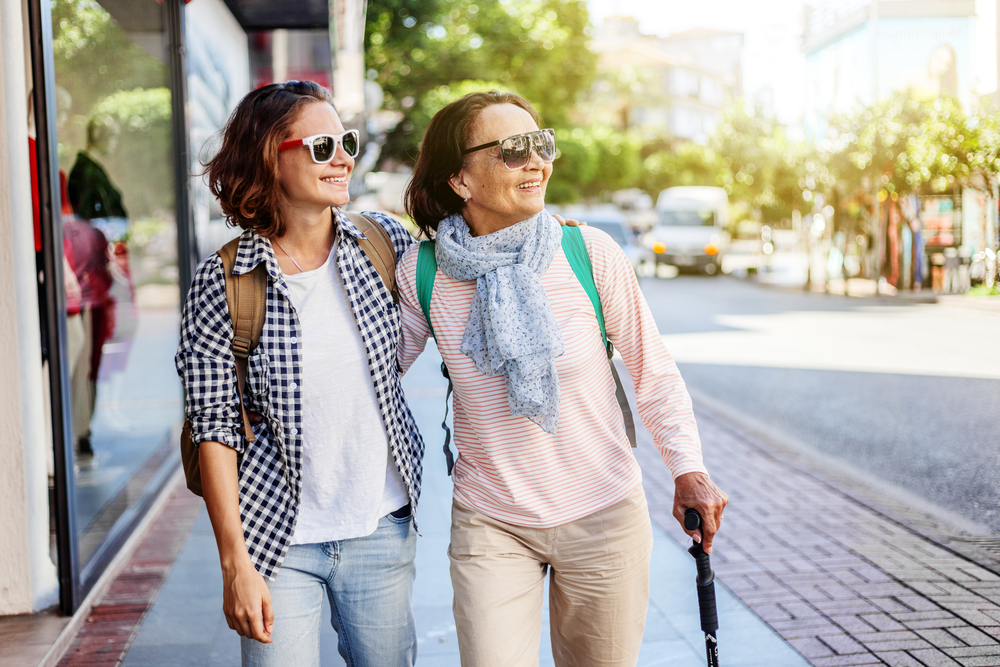
The desire to explore new horizons doesn’t come with an expiration date. Whether you are in your twenties backpacking across Europe or in your sixties cruising the Mediterranean, the thrill of travel remains a constant. However, the way we travel often evolves as we do. Comfort and confidence become less about luxury and more about smart decision-making and preparedness.
Planning and Preparation
A smooth journey begins long before you set foot in an airport or train station. Effective planning acts as a safety net, allowing you to relax once the trip actually begins.
Health Check-ups and Vaccinations
Regardless of age, your health is your most valuable travel asset. Before embarking on any significant journey, schedule a visit to your primary care physician. This is especially crucial if you have chronic conditions or are traveling to remote areas.
- Routine Check-ins: Ensure your prescriptions are up to date, and you have enough medication to last the entire trip, plus a few extra days in case of delays.
- Destination-Specific Advice: Different regions carry different health risks. Consult a travel clinic to determine if you need vaccinations for diseases like yellow fever, typhoid, or hepatitis A.
- Documentation: Carry a list of your medications (generic names are helpful internationally) and a summary of your medical history.
The Importance of Travel Insurance
Many travelers view insurance as an optional expense, but it is a necessity for confident travel. A robust policy protects you from the financial fallout of cancelled flights, lost luggage, and, most importantly, medical emergencies abroad.
When selecting a policy, look closely at the medical evacuation coverage. If you become seriously ill in a remote location, the cost of transport to a major hospital can be astronomical. For older travelers, ensure the policy covers pre-existing conditions, as standard policies often exclude them.
Packing Essentials for Every Stage
Overpacking is a common pitfall that adds unnecessary physical strain. Adopt a “less is more” philosophy, focusing on versatile layers and comfortable footwear.
- For Younger Travelers: Focus on multipurpose gear. A sarong can be a towel, a blanket, or a scarf. High-quality earplugs and an eye mask are essential for hostels or overnight buses.
- For Mid-life Travelers: Prioritize comfort and organization. Packing cubes can revolutionize your suitcase, keeping clothes compressed and separated.
- For Senior Travelers: Consider lightweight luggage with four spinner wheels to reduce strain on your wrists and back. If you use mobility aids, ensure they are travel-friendly and airline-compliant.
Accommodation Considerations
Where you sleep profoundly impacts your energy levels and overall enjoyment. While it might be tempting to book the cheapest option, prioritizing comfort often pays dividends in how you feel the next day.
Selecting the Right Hotel
Research is key. Don’t rely solely on the star rating; look at recent guest reviews, specifically from travelers in your demographic. Check for noise levels—a hotel above a nightclub might be fine for some, but a nightmare for others.
Location is equally critical. Staying centrally might cost more upfront, but it saves time and money on transportation. Being able to walk back to your room for a midday rest can be a game-changer for maintaining stamina.
Accessibility Features
Accessibility isn’t just for those with disabilities; it’s about ease of movement. Even if you are fully mobile, navigating three flights of narrow stairs with heavy luggage is a recipe for injury.
Always check if the hotel has an elevator. If you are booking a room on a high floor, confirm that the elevator goes all the way up (some European hotels have elevators that stop between floors). For those with limited mobility, ask specifically about grab bars in the bathroom, the height of the bed, and whether there are steps leading into the lobby.
Home Rentals vs. Traditional Hotels
The rise of platforms like Airbnb has expanded lodging options significantly.
- Home Rentals: Offer the convenience of a kitchen, which helps with dietary restrictions and saving money. They also provide more space to relax. However, the check-in process can sometimes be complicated, and amenities like concierge services are absent.
- Traditional Hotels: Provide consistency and support. If something goes wrong, there is staff on-site to help. For solo travelers or those less confident with technology, hotels often provide a greater sense of security.
Transportation Tips
The transit portion of travel is often the most exhausting. Choosing the right mode of transport and managing the journey effectively can reduce fatigue and stress.
Choosing Your Mode of Transport
Consider your physical limits and personal preferences. While a bus might be the cheapest option, a train often allows you to stand up, stretch, and walk around, which is vital for circulation.
If you are renting a car, choose a vehicle you are comfortable driving. Automatic transmissions are standard in the US but can be harder to find and more expensive in Europe, so book well in advance if you can’t drive a manual.
Surviving Long Hauls
Long flights or drives take a toll on the body. To mitigate this:
- Hydrate: Cabin air is incredibly dry. Drink water consistently and avoid excessive alcohol or caffeine.
- Move: Deep vein thrombosis (DVT) is a risk on long trips. Perform seated exercises, like ankle rotations, and get up to walk the aisle every few hours.
- Compress: Compression socks are excellent for reducing swelling and improving blood flow, regardless of your age.
Navigating Public Transport
Public transit systems in major cities can be efficient but overwhelming. Download maps and apps before you leave your hotel. If you are traveling during rush hour, be prepared for crowds.
For older travelers or those with heavy bags, be realistic about transfers. If a route requires three changes and endless stairs, a taxi or rideshare might be the smarter, safer investment.
Staying Healthy on the Go
Maintaining your health while away from home requires conscious effort. Disruptions to your routine can lead to skipped meals, missed medications, and general fatigue.
Medication Management
Keep your medication in your carry-on bag, never in checked luggage. If your suitcase goes missing, you don’t want your health to be compromised. Adjust your medication schedule gradually if you are crossing multiple time zones, and consult your doctor or pharmacist about the best way to do this.
Eating Well
Trying local cuisine is one of the joys of travel, but balance is necessary. Heavy, rich meals three times a day can leave you feeling sluggish.
- Hydration: Carry a reusable water bottle. In countries where tap water isn’t potable, stock up on bottled water.
- Fiber: Travel constipation is real. Incorporate fruits, vegetables, and whole grains into your diet to keep your digestion on track.
- Breakfast: Start the day with a nutritious meal to fuel your morning explorations.
Staying Active
You don’t need a hotel gym to stay fit. Walking is the best way to see a city and keeps you active. However, listen to your body. If you are tired, rest. Pushing through exhaustion often leads to illness or injury.
Simple stretching routines in your hotel room can help alleviate the stiffness associated with sleeping in a strange bed or walking on cobblestones.
Safety Measures
Confidence comes from feeling safe. Situational awareness and common sense are your best defenses against mishaps.
Personal Safety and Awareness
Always be aware of your surroundings. Avoid displaying expensive jewelry or large amounts of cash. When using an ATM, choose one inside a bank rather than on a street corner.
Keep digital and physical copies of your passport and important documents separate from the originals. If your passport is stolen, having a copy speeds up the replacement process at the embassy.
Emergency Contacts
Program local emergency numbers into your phone. “911” is not universal; in Europe, it’s 112, and in the UK, it’s 999. Know the location of the nearest hospital and your country’s embassy.
The Value of Companionship
Solo travel is empowering, but there is safety in numbers. For older adults who may be nervous about navigating alone, travel companions for seniors services or organized group tours can be a fantastic option. These services pair travelers with like-minded individuals or professional guides who manage the logistics, providing peace of mind and shared experiences. Even for younger travelers, joining a day tour can provide a safety buffer in unfamiliar environments.
Conclusion
Travel is a lifelong classroom. It teaches us resilience, adaptability, and appreciation for the diversity of our world. While physical capabilities and preferences may shift over the decades, the ability to explore doesn’t have to diminish. By prioritizing preparation, listening to your body, and making choices that enhance your comfort, you can travel with confidence at any age. The world is vast and waiting—go see it on your own terms.