 By Samuel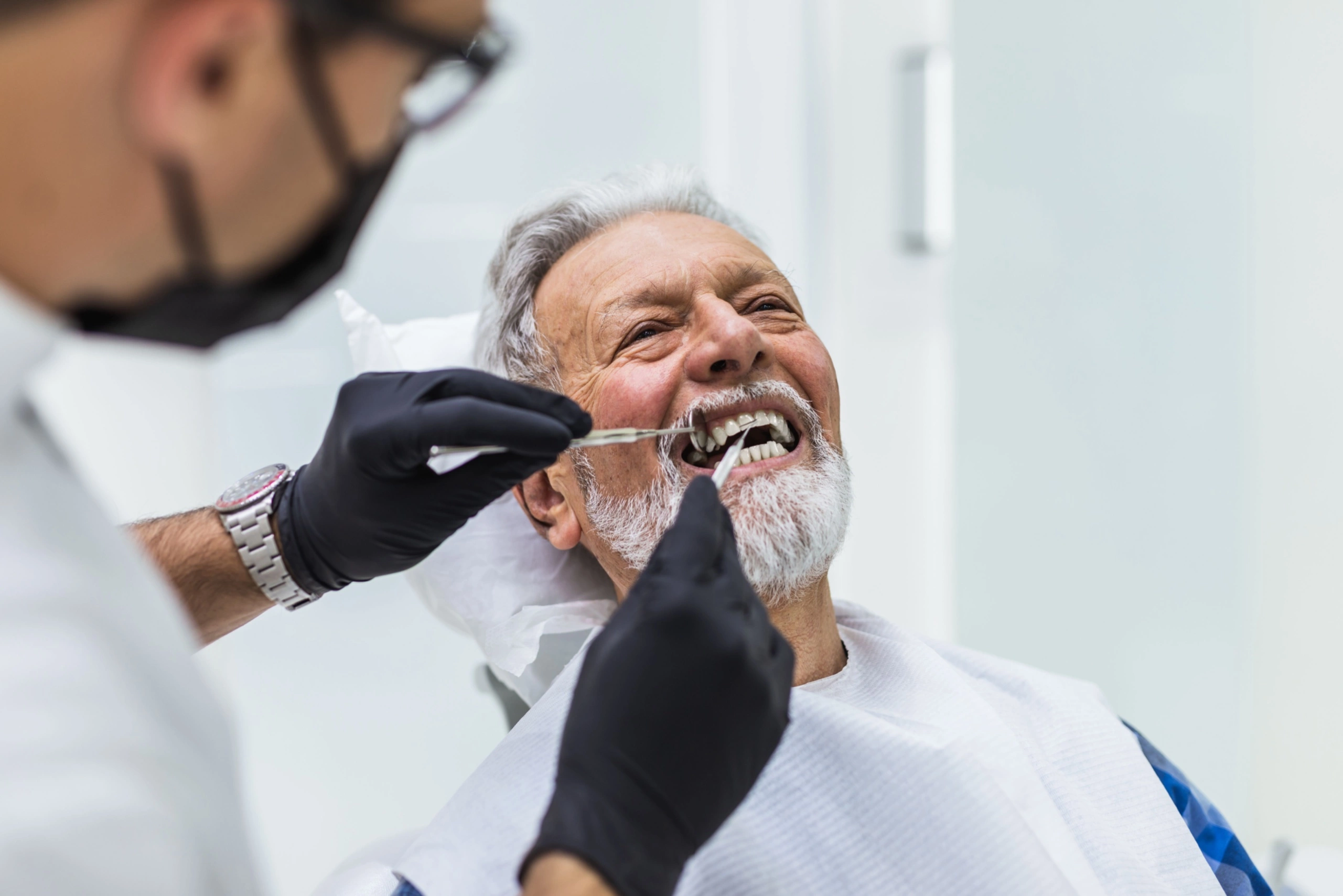
You might be putting this off because it feels easier not to know. Maybe life got busy, money was tight, you had a bad experience, or a small dental issue slowly turned into something you would rather not think about. If you are wondering what to expect when returning to the dentist after years away, you are not alone, and you are not beyond help. In most cases, the first visit is less about judgment and more about getting a clear picture of your oral health, easing pain if you have it, and making a plan you can handle, especially if future needs may include cosmetic dental treatments in Glen Ellyn.
That fear often grows in the silence. You may imagine a lecture, a long list of problems, or a bill that feels impossible. Because of that tension, even making the appointment can feel like the hardest part. The good news is that a general dentist sees this situation all the time. People come back after five years, ten years, sometimes longer, and the goal is usually simple. Find out what is going on, treat what needs attention first, and help you move forward one step at a time.
Why does going back to the dentist after a long break feel so hard?
For many people, the stress is not really about the exam. It is about shame. You may worry that your teeth look neglected or that the dentist will ask why you waited so long. That worry can keep you stuck, even when you know something feels off.
Then there is the practical side. What if you need several treatments? What if your gums bleed? What if you need X rays, a deep cleaning, or a filling? These are fair questions. Still, the first appointment is usually about assessment, not doing everything at once. A basic dental exam often includes a review of your health history, an exam of your teeth and gums, and sometimes X rays to spot problems that are not visible right away.
So, where does that leave you? It means your first visit is often more manageable than you think. If you have anxiety, you can say that when you book. If you have pain, mention it. If cost is a concern, ask the office to explain what is urgent, what can wait, and what payment options may exist. A good office will not expect you to fix years of missed care in one day.
What usually happens at your first dentist visit after years away?
When you return for your first dentist visit after years away, the appointment often starts with conversation. You may be asked about pain, sensitivity, bleeding gums, jaw issues, medical conditions, and any medicines you take. After that, the dentist and team usually examine your mouth, check for cavities, look at your gums, and evaluate signs of infection, wear, or tooth damage.
If there is a lot of tartar buildup or gum inflammation, you may not get a routine cleaning that same day. Sometimes the office needs to measure the spaces around your gums first to see whether a standard cleaning is enough or if a deeper periodontal cleaning is needed. That can feel discouraging, but it is actually useful. It means the plan is based on what your mouth needs now, not on guesswork.
You may also hear a few terms that sound more serious than they are. Gingivitis means early gum inflammation. Periodontitis means gum disease has progressed deeper. Restorative care can mean fillings, crowns, or other work to repair damaged teeth. Hearing these words can be unsettling, but naming the problem is the first step toward treating it.
How do routine care and delayed care compare?
When people avoid care, small problems can become bigger and more expensive. That does not mean disaster is certain. It simply means early treatment tends to be easier on your body, your schedule, and your budget. The table below gives a practical view.
| Situation | What it often involves | What it may lead to |
|---|---|---|
| Routine dental visits | Exam, X rays when needed, regular cleaning, early cavity treatment | Smaller problems caught sooner, lower chance of pain or infection |
| Returning after several years away | Full exam, gum measurements, updated X rays, treatment plan | More buildup, untreated decay, gum disease, cracked teeth, staged treatment |
| Waiting despite symptoms | Living with pain, swelling, bleeding, or chewing problems | Higher risk of infection, tooth loss, and more involved treatment |
Daily habits still matter, even before your appointment. The CDC shares simple oral health tips for adults, including brushing twice a day with fluoride toothpaste, cleaning between teeth, and limiting sugary food and drinks. These steps will not replace treatment, but they can support your gums and teeth while you get back on track.
What can you do right now to make returning to a general dentist easier?
- Be honest when you call.
Say you have not been in for years and feel nervous. Mention pain, swelling, broken teeth, or bleeding gums if you have them. This helps the office schedule enough time and prepare for your needs. If anxiety is part of the problem, say that too. You do not need a perfect explanation.
- Focus on the first visit, not the whole future.
Try not to solve every possible problem before you even walk in. Your job is to show up and get information. After that, you can ask which issues are urgent, which are optional, and which can be phased over time. This mindset makes returning to the dentist after a long break feel less overwhelming.
- Ask for a written treatment plan.
If work is needed, ask for costs, timing, and priorities in writing. You can then make decisions with a clear head. Many people feel calmer once they see a plan laid out step by step. Even if you need more than one visit, you will know what comes first and why.
What should you remember before you walk through the door?
Coming back after years away is not a failure. It is a turning point. Whether you need a simple cleaning or a more detailed treatment plan, the most important thing is that you are starting now. What to expect when returning to the dentist after years away is usually this: a careful exam, honest answers, and a path forward that can be taken one visit at a time.
If you have been waiting for the right moment, this can be it. Reach out to a general dentist, book the first appointment, and let that first step carry the rest.