 By Allen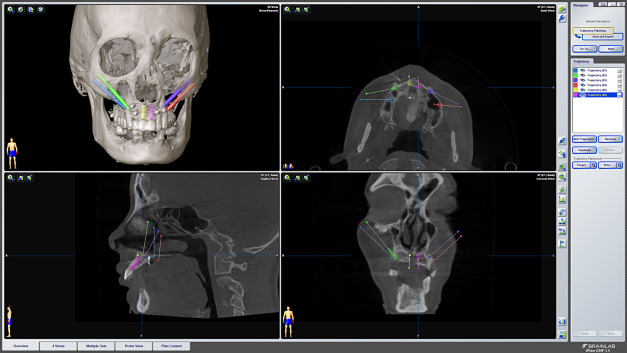
Your implant evaluation is the first real step toward a stronger, safer smile. You may feel nervous or unsure. That is normal. During this visit, your dentist in Floral Park, NY will study your mouth with care. You will get scans that show your bone and teeth. You will also get simple measurements that guide the treatment plan. Each step has a clear purpose. You will know what is happening and why. You will talk about your health history, medicines, and goals. You will see how many visits you need and what your healing might look like. You will also hear honest risks and limits. Nothing is rushed. Nothing is hidden. This blog will walk you through every part of the evaluation. You will see how planning protects you, reduces problems, and raises the chance that your implant feels natural and strong.
Step 1: Talking About Your Health And Goals
The visit often starts in the chair with a talk. You share your story. You also share what you want from treatment.
- Your medical history
- Your medicines and supplements
- Your tobacco, alcohol, or vaping use
Next, you explain your goals. You might want to chew better. You might want to close a gap. You might want a steady base for a denture. The dentist listens and checks if implants match those goals.
Then you hear how conditions like diabetes or heart disease can affect healing. For background on oral health and chronic disease, you can review the CDC oral health conditions page.
Step 2: The Visual And Manual Exam
After the talk, the dentist looks in your mouth. This exam is simple and usually painless.
- Gum health and signs of infection
- Tooth wear, loose teeth, or decay
- Bite pattern and jaw movement
The dentist may gently press on your gums and jaw. You may feel light pressure. You should not feel sharp pain. If you do, say so at once. Clear pain reporting protects you.
Step 3: Scans That Show Bone And Nerves
Implants need bone support. Scans show if you have enough bone and where nerves sit. This step guards against harm.
Common scans include three tests. Each one offers different details.
| Type of Scan | What It Shows | Why It Matters For Implants |
|---|---|---|
| Standard dental X ray | Teeth, roots, and basic bone height | Helps spot decay, infection, and general bone loss |
| Panoramic X ray | Both jaws, sinuses, and joint shape in one view | Helps plan implant location and see sinus or nerve paths |
| CBCT 3D scan | Three-dimensional view of bone width and depth | Helps measure exact bone volume and nerve distance |
Your dentist picks the scan based on your case. Children and pregnant people may need special steps to limit radiation. For facts about dental X-ray safety.
Step 4: Measurements That Guide The Plan
Next, the dentist measures your mouth. These measurements guide every step of the plan.
- Bone height and width at the implant site
- Space between teeth for the future crown
- Distance from the implant site to nerves and sinuses
The dentist may take digital scans of your teeth. Or the dentist may use simple putty to take impressions. These records help create a model of your bite. That model shows how the implant crown should meet the opposite teeth.
Step 5: Checking If You Are A Candidate
With your history, exam, and scans, the dentist decides if implants are safe for you right now. You may fall into one of three groups.
- Ready now. You have enough bone and stable health.
- Ready after prep. You need gum treatment or bone support first.
- Not a match. Another option will work better than an implant.
If you need prep, you hear clear steps. These might include gum care, a bone graft, a sinus lift, or changes to smoking habits. You also hear how long healing may take between each stage.
Step 6: Building Your Implant Plan
Once you are a candidate, the dentist builds a step-by-step plan. This plan usually covers three points.
- Number and type of implants
- Timing of each visit
- Healing and care instructions
You may see digital images that show your jaw and the planned implant spots. Some offices use guides that fit over your teeth during surgery. These guides help place the implant in the planned position.
Comparing Common Tooth Replacement Choices
The dentist may compare implants to other choices. This helps you weigh cost, time, and daily care.
| Option | What It Replaces | Impact on Nearby Teeth | Stability While Chewing | Typical Daily Care |
|---|---|---|---|---|
| Single implant with crown | One missing tooth | Usually does not touch nearby teeth | Feels stable for most foods | Brush and floss like a natural tooth |
| Fixed bridge | One or more missing teeth in a row | Requires shaping nearby teeth | Stable if kept clean | Special floss under bridge |
| Removable partial denture | Several missing teeth | Clips may rest on nearby teeth | Can move during chewing | Remove and clean daily |
Step 7: Talking About Risks, Healing, and Cost
Every surgery carries risk. During the evaluation, the dentist explains these risks in plain words. You hear about infection, implant failure, nerve injury, and sinus issues. You also hear how careful planning and clean habits lower those risks.
Healing time is different for each person. Your health, bone quality, and smoking status matter. The dentist gives a timeline that covers three parts. First is surgery and early healing. Next is bone bonding to the implant. Then, the final crown or denture placement.
Cost is part of the talk. You see what is included. You see which steps insurance might cover. You can ask about payment plans or spreading visits out over time.
How To Prepare For Your Evaluation
You can make the visit smoother with three simple actions.
- Bring an updated list of medicines and doses
- Write down questions and fears at home
- Share any past problems with anesthesia or surgery
You can also bring a family member. Another set of ears can help you remember the plan. You can ask for printed instructions as well. Clear written steps reduce stress once you leave the office.
What Happens After The Visit
After the evaluation, you leave with one of three outcomes. You may have a clear implant plan. You may have a prep plan to get ready for implants. Or you may have a different tooth replacement path.
In each case, the goal stays the same. You deserve a mouth that lets you eat, speak, and smile with calm confidence. Careful scans, careful measurements, and careful planning give you the best chance to reach that goal with safety and strength.