 By Samuel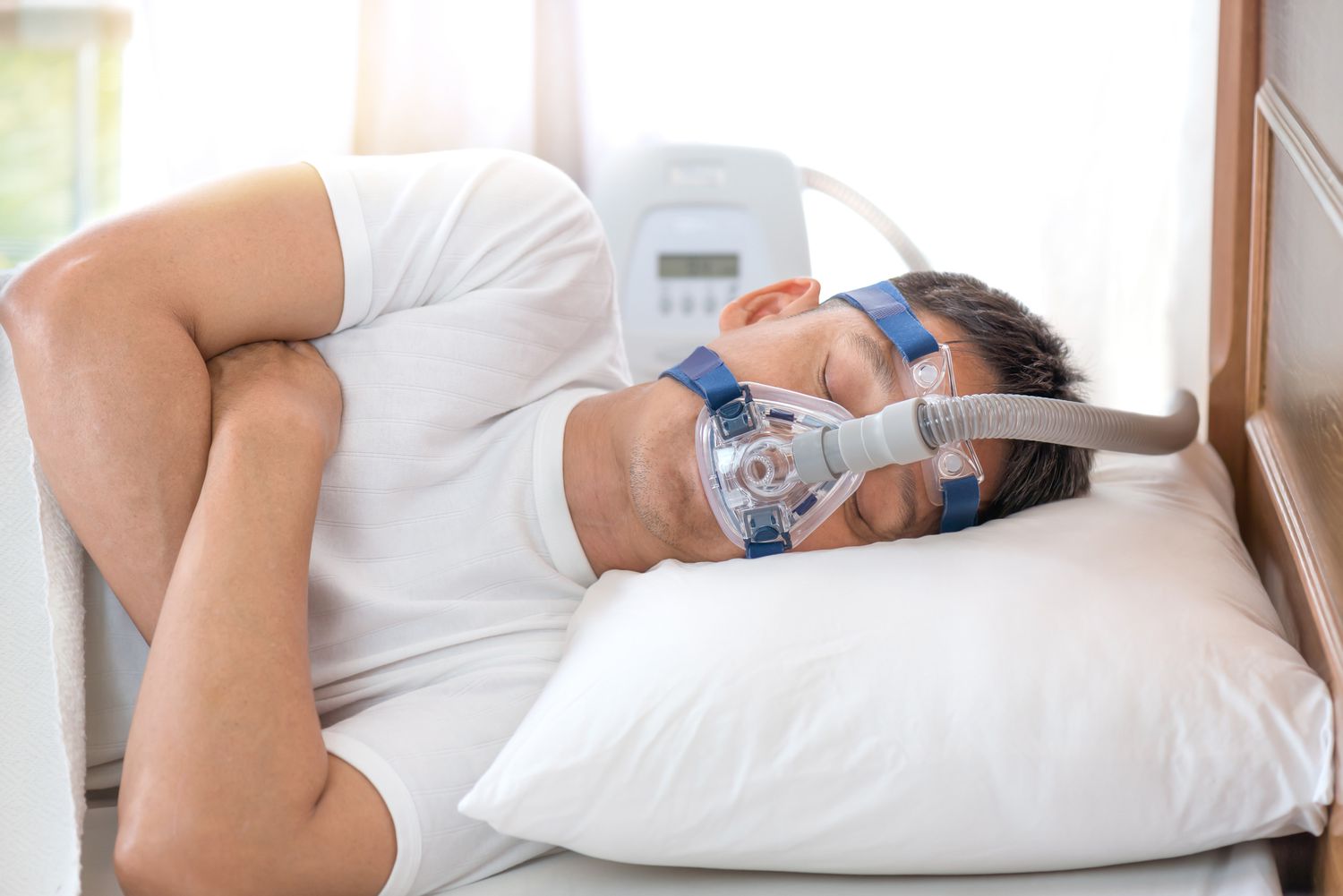
You might be exhausted and still told that you “just snore.” Maybe your partner nudges you at night because you stop breathing for a few seconds, or you wake up with a pounding headache and a dry mouth and wonder how a full night in bed can feel worse than a late night out—if this sounds familiar, a dentist in Wichita Falls can help you explore whether sleep apnea is the cause.end
If you are here, you probably already suspect sleep apnea or have been diagnosed with it. You may have tried a CPAP machine and found the mask uncomfortable or noisy. Or you might be afraid of the word “surgery” and unsure whether it is worth the risk. That mix of fatigue, worry, and confusion is very common, and it is completely understandable.
The short version is this. Obstructive sleep apnea is serious, but it is also treatable. Oral surgery has changed a lot in recent years. There are now more precise, less invasive options that can open your airway, reduce or remove the need for CPAP, and help you finally sleep deeply again. This guide walks you through what is happening in your body, what modern oral and maxillofacial surgery can do, and how to think clearly about your choices.
What is actually happening when sleep apnea steals your sleep?
Sleep apnea is not just loud snoring. With obstructive sleep apnea, the soft tissues in your mouth and throat collapse during sleep. Your tongue can fall back, your soft palate and uvula can block airflow, or your lower jaw can sit too far back. Your brain senses that you are not getting enough oxygen and briefly wakes you up so you can breathe again.
This can happen dozens or even hundreds of times per night. You might not remember waking up, yet your body does. Over time, this constant stop and start puts stress on your heart, raises your blood pressure, and affects your mood and memory. The Mayo Clinic describes sleep apnea as a risk factor for serious conditions like heart disease and stroke, not just an annoyance.
Because of this, you might wonder where a dentist or oral surgeon fits into all of this. That is a fair question.
How can oral surgery and dental care help with sleep apnea?
When people think of sleep apnea treatment, they often think of CPAP first. CPAP is very effective when used consistently, and for many people it remains the first line of treatment. The reality is that many patients struggle to use CPAP every night. Masks can be uncomfortable, the machine can be loud, and travel becomes more complicated.
This is where oral surgery for sleep apnea and dental approaches come in. Instead of forcing air through a blocked airway, these treatments try to change the structure that is blocking the airway in the first place.
A few of the more common or advanced options include:
- Oral appliance therapy from a dentist
A specially trained general dentist can create a custom oral appliance that gently moves your lower jaw or tongue forward during sleep. This opens space in the back of your throat. Many patients with mild to moderate sleep apnea or loud snoring do very well with these devices, and they are easier to travel with than CPAP.
- Soft tissue surgeries
Some surgical procedures trim or tighten tissues that collapse into the airway. These might involve the soft palate, uvula, or tissue on the sides of the throat. The goal is to reduce obstruction without affecting your ability to speak or swallow normally.
- Jaw advancement surgery (maxillomandibular advancement)
For people who have a naturally small or retruded jaw, or for those with more severe apnea, surgeons can move the upper and lower jaws forward. This enlarges the airway space permanently. Recent research, including work published in medical journals such as this review on surgical treatments for obstructive sleep apnea, shows that jaw advancement can significantly reduce apnea events and improve oxygen levels at night.
- Tongue and nerve based treatments
There are procedures that reduce the volume of the tongue or change how it sits, and newer options that stimulate the nerve controlling the tongue during sleep so it does not fall back as easily. These are typically considered for people with specific patterns of obstruction.
All of these treatments aim at the same goal. A more open airway, fewer breathing pauses, and deeper, more restorative sleep. The right choice depends on your anatomy, your health, and your tolerance for devices like CPAP.
What are the emotional and practical challenges in choosing surgery?
The medical information is one thing. The emotional side is another. You might be thinking about missed work, recovery time, cost, or the fear that you will go through a procedure and not feel any better. You might also carry a quiet worry. If you ignore this, could it shorten your life. These are heavy questions to carry alone.
There is also the day to day strain. Poor sleep can make you more irritable with your partner or children. It can affect your focus at work. The Harvard Sleep Health Education Program explains that chronic sleep loss increases the risk of accidents and lowers overall quality of life. So the cost of “doing nothing” is not zero. You pay for it in energy, relationships, and long term health.
On the other hand, surgery is not a small decision. There may be time off work, temporary discomfort, and financial considerations. Insurance coverage varies, and you may need documentation such as sleep study results and proof that you tried CPAP or oral appliances first.
So where does that leave you. It leaves you needing clear information and a way to compare options in a way that respects both your health and your real life responsibilities.
How do newer surgical approaches compare to non surgical care?
Every person is different, but it can help to see the general tradeoffs between common treatments. This is a simplified comparison, not a replacement for medical advice, yet it can give you language to use when you speak with your dentist, sleep physician, or surgeon.
| Treatment Option | How it works | Best for | Pros | Cons |
|---|---|---|---|---|
| CPAP | Blows air through a mask to keep airway open | Mild to severe apnea when patient can tolerate device | Non surgical. Very effective when used nightly. | Mask discomfort. Noise. Travel challenges. Many patients stop using it. |
| Custom oral appliance | Moves jaw or tongue forward during sleep | Mild to moderate apnea or primary snoring | Small. Portable. Often more comfortable than CPAP. | May not be enough for severe apnea. Requires healthy teeth and jaws. |
| Soft tissue surgery | Trims or tightens tissue blocking airway | Patients with large tonsils or redundant soft tissue | Can reduce snoring and apnea events. One time procedure. | Postoperative soreness. Some risk of scar tissue. Results can vary. |
| Jaw advancement surgery | Moves upper and lower jaws forward to enlarge airway | Moderate to severe apnea with jaw structure issues | High success rates. Structural, long term change. | Major surgery. Recovery time. Requires orthodontic planning in many cases. |
Seeing it laid out this way, you can start to think about where you fit. Are you mostly frustrated with CPAP yet otherwise healthy. Do you have a small jaw or crowded teeth. Has your general dentist ever mentioned airway concerns. These clues help guide you toward or away from certain options.
Three practical steps you can take right now
- Get a clear diagnosis and share it with your dental team
If you have not had a formal sleep study, ask your primary doctor or a sleep specialist about one. Home studies are now common and more comfortable. A diagnosis that includes your apnea hypopnea index and oxygen levels gives everyone a starting point. Share the report with your general dentist so they can discuss whether oral surgery for obstructive sleep apnea or an oral appliance makes sense in your case.
- Ask specific questions about all your options
When you meet with a sleep physician, dentist, or surgeon, bring a short list of questions. For example. “What are my non surgical options and what are their success rates for someone like me.” “If I consider surgery, which type fits my anatomy and how long is recovery.” “How will this affect my need for CPAP.” Clear questions lead to clearer answers. You deserve to know the likely benefits, risks, and costs before you decide.
- Prepare your life for change, not just your body
Any change in treatment affects your routines. If you choose a custom oral appliance or sleep apnea oral surgery, think ahead. Arrange help at home for the first few days if surgery is planned. Talk with your employer about possible time off. Set up follow up visits in your calendar. Even small steps, like planning soft foods for recovery or arranging childcare, can reduce stress and help you focus on healing.
Where do you go from here when you are tired of being tired?
You have carried your fatigue, your worries, and your questions for a long time. You do not have to carry them alone. Modern treatments for sleep apnea, from dental appliances to advanced jaw surgery, are giving many people their energy, clarity, and peace of mind back.
The most important move now is not to pick a procedure on your own. It is to start a real conversation with a trusted medical or dental professional who understands sleep apnea and airway focused care. Ask them to walk you through your sleep study, your anatomy, and your options. You deserve sleep that restores you, not sleep that wears you down.
You are not being dramatic. You are protecting your health. And that is worth taking seriously, one informed step at a time.