 By Allen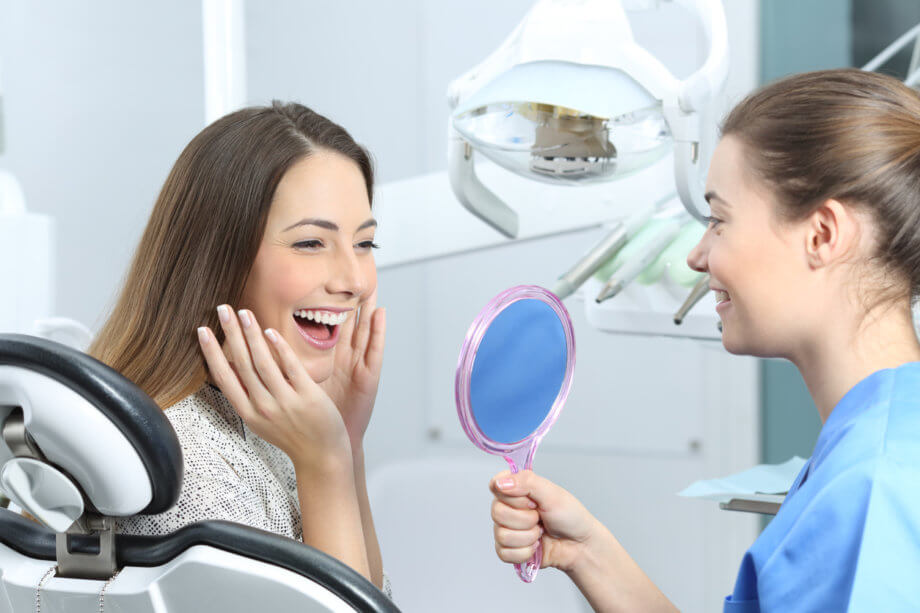
You might be feeling self-conscious about your smile, and it shows up in little ways that other people may not even notice. You hold your lips tight in photos. You laugh with your hand over your mouth. You avoid certain foods because you worry about a chipped tooth, a dark filling, or a denture that might slip. You are not being vain. You are trying to protect yourself. A skilled dentist in Carmel, IN can help you feel confident sharing your smile again.
At the same time, you probably know that your smile affects more than vanity. It influences how you show up at work, how you connect with people you love, and how you feel when you look in the mirror in the morning. Because of this tension, you might wonder where cosmetic dentistry fits in. Is it worth the cost? Is it only for young people? Is it “too much” at your age or stage of life?
The short answer is that thoughtful cosmetic care can support confidence at every age, from teens with crooked teeth to parents juggling busy schedules to grandparents who simply want to feel like themselves again. When done well, cosmetic dental treatment for confidence is less about chasing perfection and more about removing the obstacles that keep you from smiling freely.
So where does that leave you? It helps to understand what is possible, what is realistic, and how cosmetic dentistry can be tailored to your season of life, your budget, and your comfort level.
How does your smile affect confidence at different ages
Think about a teenager who refuses to smile in school pictures because of stained or crowded teeth. Or a young professional who avoids speaking up in meetings because they are embarrassed by a dark front tooth from an old injury. Or a grandparent who avoids family photos because their denture moves when they talk. The details change with age, but the feeling underneath is the same. “I do not want people to see my teeth.”
That feeling often leads to small but painful habits. You might press your lips together when you meet new people. You might “forget” to attend social events that would be good for you. Over time, this can chip away at confidence, and even affect career opportunities or close relationships.
Cosmetic dentistry steps in here, not just to whiten or straighten teeth, but to remove that constant background worry. A teen who finishes clear aligner treatment might finally smile in group photos. A parent who chooses simple bonding on worn or chipped front teeth might feel comfortable again in work presentations. An older adult who upgrades to more secure implant-supported dentures might return to restaurants they stopped visiting years ago.
Because each generation faces different realities, cosmetic care needs to be tailored.
- Teens and young adults often focus on alignment, shape, and color. Orthodontics, conservative bonding, and supervised whitening can help.
- Busy adults often want efficient, durable solutions. Porcelain veneers, professional whitening, and replacement of old metal fillings are common.
- Older adults may prioritize comfort, chewing, and natural appearance. Implants, bridges, and well-fitting dentures can restore both function and confidence.
When you see cosmetic dentistry through this lens, it becomes less about “fixing” you and more about supporting the life you want to live right now.
What are the real concerns about cosmetic dentistry
You may still feel hesitant. That hesitation is reasonable. Cosmetic procedures involve time, money, and your health. You might be worried about looking fake, about pain, or about spending on something that feels “optional.”
First, there is the emotional concern. Many people worry that choosing cosmetic work will make them look artificial or overdone. The goal of a thoughtful smile makeover is the opposite. The aim is to match your teeth to your face, age, and personality, so that people simply notice that you look more relaxed or more “like yourself.” A slight lightening of color, a gentle adjustment of tooth length, or closing a distracting gap can make a real difference without announcing itself.
Then there is the financial side. Some cosmetic treatments can indeed be expensive and not fully covered by insurance. This is why it helps to think in levels, instead of all or nothing. For example, a person might start with professional whitening and minor bonding now, then save toward veneers or implants later if needed. In many cases, small, strategic changes offer a big emotional return.
There is also the health question. Is cosmetic dentistry safe? When performed by a trained dentist using evidence-based methods, it is generally safe. For example, professional whitening under dental supervision has been studied extensively. The American Dental Association offers guidance on safe whitening products and methods, and your dentist can help you follow those recommendations. You can read more about that in this resource on tooth whitening safety and options.
Research also links oral health and quality of life. One review found that people who improved the look and function of their teeth reported better social confidence and satisfaction with their appearance. Cosmetic changes are only part of the story, but they often spark better daily care and regular checkups as well. If you are curious about the science behind this, you can explore this research summary on oral health and quality of life.
So, where does that leave you? It usually comes down to matching your goals to the least invasive, most sustainable treatments that can reasonably get you there.
What are the key options, and how do they compare
To make everything more concrete, it can help to compare common cosmetic choices that many families consider at different ages. This is not a prescription, only a way to see how benefits and tradeoffs line up.
| Treatment | What it helps with | Longevity (typical) | Best suited for | Common concerns
|
|---|---|---|---|---|
| Professional whitening | Stains from coffee, tea, aging | 1 to 3 years, with touch ups | Teens and adults with healthy teeth | Temporary sensitivity, needs maintenance |
| Bonding (tooth colored resin) | Chips, gaps, uneven edges, small defects | 3 to 8 years, depending on care | Anyone wanting quick, conservative changes | Can stain or chip, may need occasional repair |
| Porcelain veneers | Color, shape, spacing, worn teeth | 10 to 15 years with good care | Adults wanting more dramatic, long-term change | Higher cost, some removal of enamel |
| Orthodontics (braces or clear aligners) | Crowding, gaps, bite issues | Often permanent with retainers | Teens and adults ready for steady treatment | Time commitment, need for daily compliance |
| Implants and implant dentures | Missing teeth, loose dentures, chewing | 15+ years, often much longer | Adults and seniors with missing teeth | Higher initial cost, surgery required |
For a teen, supervised whitening and slight bonding might be enough to feel confident in photos. For a parent in their 40s, replacing old dark fillings with tooth colored material and whitening can create a fresher, but still age-appropriate, smile. For a grandparent, implant-supported dentures can restore the confidence to laugh and eat in public again.
This is why the broad term family and cosmetic dentist matters. The same office can often support your children through braces, you through veneers or bonding, and your parents through denture or implant care, all with an eye on long-term health and appearance.
Three steps you can take right now
- Get clear on what actually bothers you
Before you think about specific procedures, take a quiet moment and look in the mirror or at a recent photo. Ask yourself what truly bothers you. Is it color? Shape. Crookedness. Gaps. Old dental work that shows when you smile. Try to name no more than three things. This keeps you focused on what matters most to your confidence, not on chasing tiny flaws you never noticed before.
It can help to write these three things down. You can bring that list to your dentist. This turns a vague “I hate my smile” into a clear, workable plan.
- Schedule a conversation, not a commitment
Your next step is not to sign up for veneers or implants. It is simply to schedule a cosmetic consultation with a dentist you trust. Tell them up front that you want to understand conservative options first, and that your goal is a natural look that fits your age and lifestyle.
During the visit, ask questions like:
- “What would you do if this were your own mouth or your child’s mouth?”
- “Is there a simpler or more affordable way to address my top concerns?”
- “How will this affect my teeth 10 years from now?”
A good dentist will respect your priorities and explain tradeoffs clearly. You can then decide at your own pace.
- Strengthen the foundation first
Cosmetic changes work best on healthy teeth and gums. Before starting whitening, veneers, or implants, make sure any cavities, gum issues, or bite problems are taken care of. Simple steps like a professional cleaning, updated X-rays, and gum evaluation set you up for long-term success.
At home, focus on the basics. Brush twice a day with fluoride toothpaste. Clean between your teeth with floss or interdental brushes. Limit sugary snacks and acidic drinks. These daily habits protect your investment and keep any cosmetic work looking better for longer.
Choosing confidence, at your own pace
You deserve to smile without thinking about it. That is true whether you are a teenager facing school photos, a busy parent in constant video meetings, or a grandparent trying to keep up with energetic grandchildren. Thoughtful cosmetic dentistry is simply one tool that can help you feel more at ease in your own skin, at any age.
You do not have to change everything at once. Even one small step, like replacing a dark filling or brightening stained teeth, can shift how you feel when you catch your reflection. The goal is not perfection. The goal is a smile that feels like you, without the constant urge to hide.
When you are ready, reach out to a trusted family and cosmetic dentist, share what truly bothers you, and start a calm, honest conversation about your options. Confidence often begins with that first question and grows from there.