 By Allen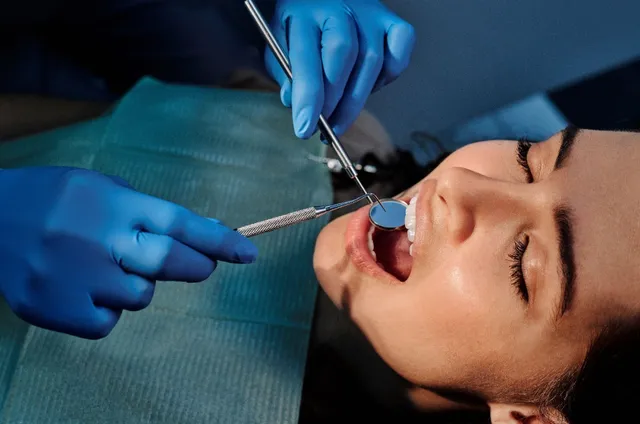
You might be looking in the mirror and seeing teeth that are a little worn, a little stained, or not quite straight, and you are torn between wanting a brighter smile and wondering where to even start with a dentist in Canton Township, MI. Maybe you have seen before and after photos online and thought, “That could never be me,” because you worry about cost, pain, or whether your teeth are even healthy enough for cosmetic work.end
It often feels like there are two separate worlds. One is routine dental care with cleanings, X‑rays, and fillings. The other is cosmetic dentistry with whitening, veneers, and smile makeovers. Because of that split, you might assume you can skip the basic care and go straight to the “pretty” part. Or you might feel ashamed because you have cavities or gum problems and think you do not “qualify” for cosmetic work.
The truth is more gentle and more hopeful. General dentistry quietly builds the foundation that every beautiful smile rests on. Without healthy gums and strong teeth, cosmetic treatments either will not last or may not even be possible. When your everyday dental health is stable, aesthetic treatments become safer, more predictable, and often more affordable over time. That is the simple idea at the heart of how general dentistry supports aesthetic smile transformations.
So where does that leave you? It means you do not need a perfect mouth to begin. You just need a clear, stepwise plan that starts with health and then moves into appearance when the time is right.
Why a “quick cosmetic fix” can backfire if the basics are not right
Think about a house with peeling paint and cracks in the walls. Painting over the cracks might look nice for a few weeks, but if the foundation is weak, the damage will show again. Your teeth and gums work the same way. Cosmetic dentistry without a strong general dentistry base can look good at first, then fail unexpectedly.
Here is a common example. Someone gets professional whitening for a big event. The shade looks great for a while, but they secretly have untreated gum disease. Over time, the gums recede, the teeth become sensitive, and the bright color only draws attention to the uneven gumline. What started as an exciting change becomes a daily reminder of deeper problems that were never addressed.
Or imagine placing veneers on teeth that have small cavities or weakened fillings. The veneers might look beautiful in photos. Yet decay can continue underneath. In a few years, the tooth may need a root canal or even a crown, which can mean redoing expensive cosmetic work that could have lasted much longer if the underlying tooth had been stabilized first.
This is why dentists place so much emphasis on routine exams, cleanings, and preventive care. Organizations such as the Centers for Disease Control and Prevention explain how oral health is tightly connected to overall health, including heart disease and diabetes, not just appearance. You can read more about this link in the CDC’s overview of oral health basics and why they matter.
Because of this tension between wanting fast results and needing a solid base, you might wonder how general and cosmetic dentistry actually fit together in real life.
How general care quietly shapes every cosmetic decision
General dentistry is often called “routine” care, but it guides every step of a cosmetic plan. Here is how.
First, general dentists look for disease. They check for cavities, gum disease, worn enamel, oral cancer signs, and bite problems. This is not about judgment. It is about understanding what your teeth and gums can safely handle. If your gums are inflamed, for example, placing veneers or even whitening aggressively can worsen sensitivity and bleeding.
Second, they stabilize what is already damaged. That might mean fillings, root canals, deep cleanings, or crowns. These are not just repairs. They are structural upgrades that give any future cosmetic work something strong to attach to.
Third, they guide you in daily habits that protect your investment. Good home care lowers the risk that decay or gum problems will undercut cosmetic work later. The National Institute of Dental and Craniofacial Research shares clear, science based tips for daily oral hygiene and home care, which often become the backbone of any long term aesthetic plan.
Once these steps are in place, cosmetic options open up. You can talk about whitening, bonding, shaping, Invisalign, or veneers with a lot more confidence, because you are no longer building on a shaky base. This is what many people mean when they talk about an aesthetic smile makeover grounded in general dental care. The “makeover” is not just the final look. It is the combined work of health and beauty over time.
Is it worth building a foundation first? A simple comparison
It can still be tempting to choose the fastest path, especially if you are facing a big life event or have lived with embarrassment for years. To make the decision clearer, it helps to compare rushing into cosmetic work with taking a foundation first approach.
| Approach | What It Looks Like | Short Term Results | Long Term Impact | Typical Risks |
|---|---|---|---|---|
| “Cosmetic first” path | Skip or minimize exams and cleanings. Go straight to whitening, veneers, or bonding based on appearance alone. | Fast visual improvement. Good photos and first impressions. | Higher chance of chipping, staining, or failure. More redo work and surprise costs later. | Undetected decay, gum disease, or bite problems can worsen under cosmetic work. |
| Foundation first path | Thorough exam, X‑rays, cleaning. Treat decay and gum issues. Plan cosmetics after health is stable. | Slower to visible change. Early visits may feel more “medical” than “cosmetic.” | Cosmetic work tends to last longer. Fewer emergencies and less rework over time. | More appointments early on, but lower overall risk of major complications. |
So what does this mean for you today? It means you can stop blaming yourself for not having a “perfect” smile already. You can choose a path that respects both your health and your appearance, one step at a time.
Three practical steps to build a healthy base for a better smile
- Start with an honest, full exam focused on health
Your first move is not to pick a shade of white. It is to get a clear picture of what is happening in your mouth right now. Ask for a full exam with X‑rays and a gum health evaluation. Be open about your goals for cosmetic change. A good general and cosmetic dentist will explain what needs to be treated first and what can safely wait.
If you feel nervous or ashamed, say that out loud. You are not alone. Many people avoid the dentist for years because of fear or past experiences. A thoughtful clinical team will help you move from crisis mode into a calm plan. For at home support between visits, the American Dental Association offers practical guidance on daily home care habits that protect your teeth and gums.
- Commit to stabilizing work before cosmetic “extras”
Once you know what is going on, prioritize treatments that stop active disease and strengthen your teeth. That might include fillings, deep cleanings, or bite adjustments. It may feel less exciting than whitening or veneers, yet this is where your future smile is protected.
Ask your dentist to explain how each general treatment supports your cosmetic goals. For example, treating gum disease can create a more even gumline around future veneers. Replacing a large broken filling with a crown can give a stable anchor for any future aesthetic work. When you see the connection, it becomes easier to stay patient through this phase.
- Design your cosmetic plan as the “finish layer,” not the foundation
After your mouth is healthy and stable, you can talk about the cosmetic layer with much more freedom. Discuss whitening, bonding, reshaping, orthodontic options, or veneers based on what will work with your bite, enamel thickness, and gum health.
Use this time to ask practical questions. How long should each option last if you maintain good home care. What kind of maintenance will you need. How will future changes in your gums or bite affect the result. You are not just choosing a look. You are choosing a long term relationship between your everyday general dentistry and your cosmetic smile goals. This is where a strong general and cosmetic dentist partnership really shows its value.
Moving forward with hope instead of pressure
If you have been living with a smile that you hide in photos or cover with your hand when you laugh, it is easy to feel like you are behind or that you need a dramatic fix right away. You do not. You need a path that starts with health and respects your budget, your comfort, and your timeline.
General dentistry is not the boring part you have to suffer through before the “real” work. It is the quiet foundation that makes every cosmetic dentistry treatment safer, stronger, and more rewarding. When you give your teeth and gums that base of care, aesthetic transformations stop feeling fragile. They start to feel like a natural extension of your everyday health.
You deserve a smile that feels like you, not a mask that you worry might crack. Your next step can be simple. Schedule a thorough exam, ask honest questions, and let your general care build the ground for the cosmetic changes you want. One visit at a time, you can move from feeling stuck and self conscious to feeling steady, informed, and ready for a smile that truly lasts.