 By Allen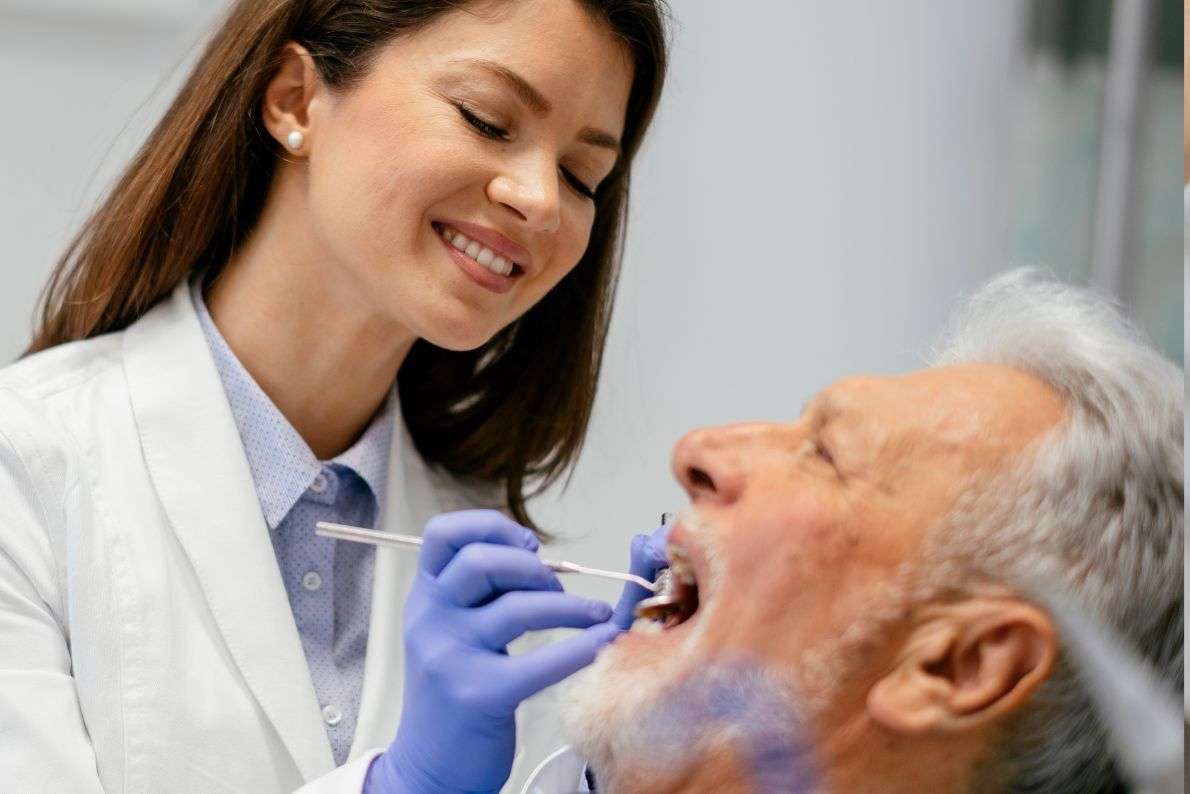
You might be feeling a quiet worry in the back of your mind every time you notice a sore in your mouth that takes a little too long to heal, or a patch on your tongue that just looks “off.” Maybe you have put off regular dental visits because life is busy, money is tight, or you are simply nervous about what someone might find. A caring Northwest Edmonton dentist understands these concerns and can help you feel more at ease. At the same time, you have probably heard that oral cancer is often found late, and that thought can sit heavily on your chest.
Here is the hard truth and the hopeful truth together. Oral cancer can be serious and life-changing, yet when it is found early, treatment is usually easier, survival rates are higher, and quality of life is much better. The quiet hero in that story is often your general dentist, who sees your mouth more often than any other health professional and is trained to spot early warning signs long before you would think to worry.
This is why early oral cancer detection through general dentistry matters so much. Regular dental checkups are not just about clean teeth or fixing cavities. They are one of the most practical ways to catch small, silent changes in your mouth before they become something far harder to treat.
Why does oral cancer feel so frightening and confusing?
Part of what makes oral cancer so unsettling is that it rarely announces itself with dramatic symptoms at first. According to public health data on oral and oropharyngeal cancer, many people do not realize anything is wrong until the disease has already progressed. Early signs can be subtle. A tiny white or red patch. A sore that does not heal. A feeling that something is “different” when you swallow.
Because these signs are easy to dismiss, people often tell themselves a story that feels safer in the moment. “It is just a bite mark.” “It is probably from my dentures.” “I talk a lot for work, my throat is just tired.” The mind tries to protect you from fear, yet in doing so, it can delay attention when attention is exactly what is needed.
So, where does that leave you if you are already anxious about going to the dentist, or worried about the cost of another appointment, or scared of hearing bad news?
This is where a general dentist can change the picture. During a routine visit, they are not only cleaning your teeth. They are quietly checking your tongue, cheeks, gums, the floor and roof of your mouth, and even your throat and jaw for anything that looks suspicious. This kind of oral cancer screening by a general dentist is quick, usually painless, and often included as part of a normal exam.
What makes general dentistry so important for early oral cancer detection?
Think about who actually looks inside your mouth on a regular basis. For many people, it is only the dentist and dental hygienist. You might not stand in front of a mirror with a flashlight, pulling back your cheeks and lifting your tongue, but your dental team does that every time you come in.
Research on oral cancer screening and early diagnosis explains that early lesions are often subtle and easy to miss if you do not know what to look for. General dentists are trained to notice changes in color, texture, and shape. They pay attention to areas that are known to be higher risk, such as the sides of the tongue and the floor of the mouth. They also review your history, including tobacco use, alcohol use, HPV status when known, and family history of cancer.
Because of this, a general dentist can play three key roles in early detection.
First, they create a baseline. When you see the same office regularly, they know what your mouth normally looks like. Small changes that might seem unimportant to you can stand out to them because they remember what was there before.
Second, they can sort the ordinary from the concerning. Many mouth sores are harmless and will heal on their own. A general dentist knows which ones to simply watch and which ones need a closer look or a referral to a specialist.
Third, they can move quickly when something looks suspicious. That might mean a referral to an oral surgeon, a biopsy, or imaging. The goal is not to scare you. The goal is to get clear answers fast, while a problem is still small.
You might wonder whether it is really worth going in for a checkup if you feel fine. The reality is that early-stage oral cancer often causes little or no pain. According to guidance on why oral cancer screenings matter, finding changes before they cause symptoms can be the difference between a minor procedure and far more complex treatment.
How does a routine dental visit compare with waiting or self-checking?
It can help to see the tradeoffs clearly. You may be weighing whether to book a general dentistry appointment or keep putting it off. The table below offers a simple comparison.
| Approach | What It Looks Like | Benefits | Risks / Limitations |
|---|---|---|---|
| Regular general dentist visits with oral cancer screening | Checkups every 6 to 12 months, visual and physical exam of mouth, neck, and jaw | Higher chance of finding problems early, professional judgment, record of changes over time | Requires time and some cost, may trigger anxiety about dental visits |
| Self-checking at home only | Looking in mirror, feeling for bumps or sore spots when brushing or flossing | No appointment needed, can notice obvious changes between visits | Easy to miss subtle signs, no professional evaluation, higher risk of delayed diagnosis |
| Waiting until symptoms are severe | Seeking help only when there is strong pain, difficulty swallowing, or visible swelling | Fewer appointments in the short-term | Much higher chance of late-stage diagnosis, more complex treatment, greater emotional and financial strain |
When you look at it this way, regular care with a general dentist is less about one more thing on your to-do list and more about quietly lowering your long-term risk.
What can you do right now to protect yourself?
Feeling worried without a plan is draining. The good news is that you can take a few clear steps, even today, to put yourself on steadier ground.
- Schedule a routine exam and be honest about your history
If it has been more than a year since your last dental visit, choose a general dentistry office that includes an oral cancer screening as part of the exam. When you are there, share anything that might raise your risk, such as past or current tobacco use, heavy alcohol use, prior cancers, or HPV related concerns. This is not about judgment. It gives your dentist the information needed to watch you more closely where it matters most.
- Pay attention to small changes and speak up early
In between visits, notice your mouth the way you already notice a new freckle or a cut on your hand. If you see a sore, lump, or patch that does not heal within two weeks, or if you feel numbness, persistent hoarseness, or trouble swallowing, call your general dentist. Do not wait for it to “really hurt.” Early conversations often lead to simpler solutions.
- Use your general dentist as your first point of contact
If something worries you, you do not always need to start with a specialist. Your general dentist can examine the area, decide whether it looks suspicious, and either reassure you or refer you for further testing. This single step can save you time, reduce guesswork, and give you a clear path forward instead of late-night internet searches that only increase your anxiety.
Moving forward with more confidence and less fear
You do not have to become an expert in oral cancer to protect yourself. You do not have to check your mouth every day with a flashlight or memorize rare symptoms. What you do need is a steady rhythm of care with a trusted general dentist who understands that regular visits are about much more than clean teeth.
When you show up for those visits, ask whether an oral cancer screening during a general dentistry exam is included. Ask what they are looking for and how often they recommend screenings for someone with your history. These simple questions can turn a routine appointment into a powerful safeguard for your long-term health.
You may still feel some nervousness as you pick up the phone or book online. That is normal. Take that feeling with you and move anyway. Each step you take toward regular dental care is a step away from silent risk and toward early answers, earlier treatment if needed, and a better chance at a long and comfortable life.