 By Allen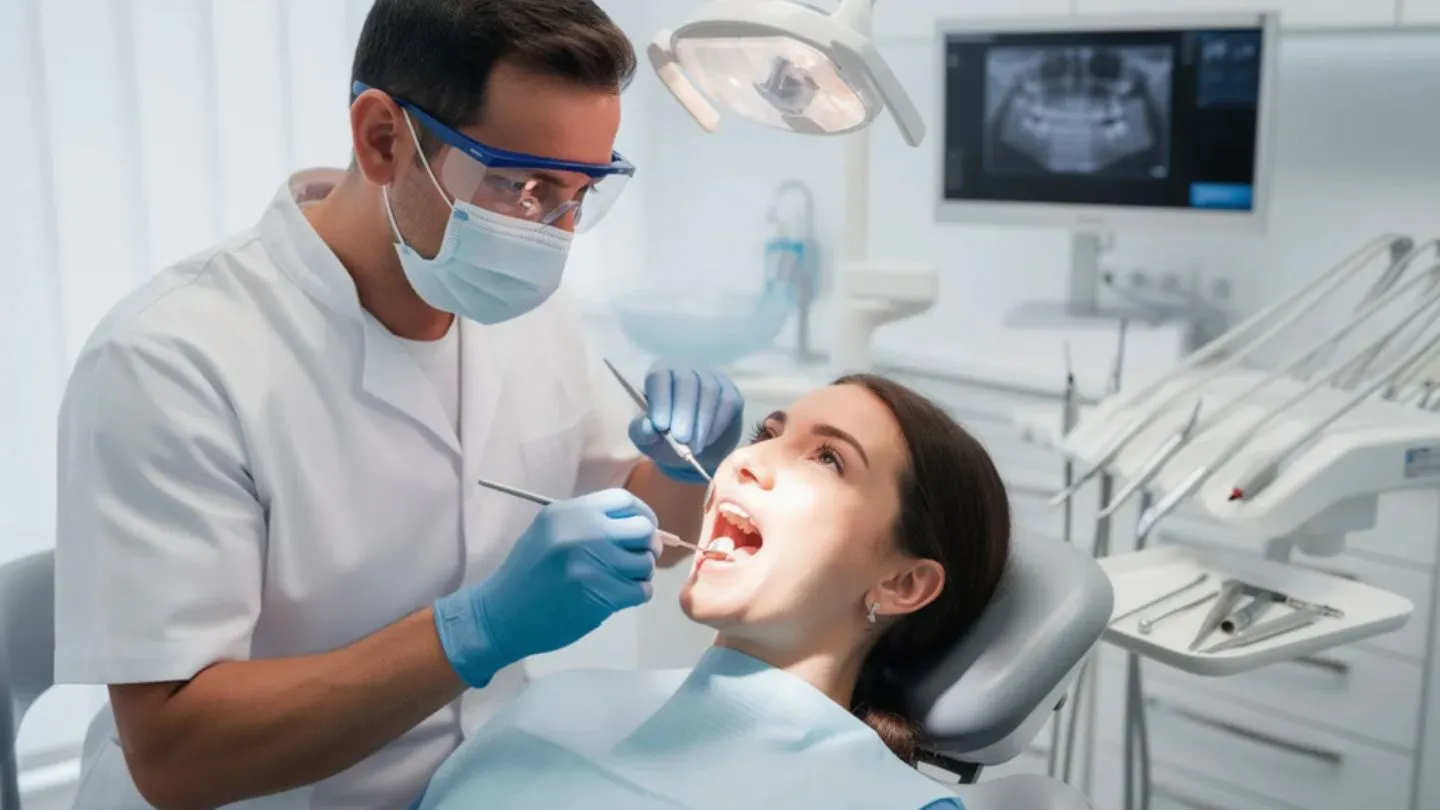
You might be looking in the mirror and noticing little things that bother you. A stain that will not fade, a chip on a front tooth, or teeth that seem a bit uneven in photos. Cosmetic dentistry and comprehensive dental care in Waikiki, Honolulu can sound like the answer you have been waiting for. Whiter. Straighter. Smoother. More “you.”
At the same time, you might feel a quiet worry under the excitement. You may wonder if your teeth are actually healthy enough for cosmetic treatment, or if you are about to spend real money on something that might not last. You might even feel a bit embarrassed if it has been a while since your last checkup.
You are not alone in that tension. Many people want a better smile, yet feel unsure about what has to happen first. The short answer is this. A thorough preventive dental exam before any cosmetic work protects your health, your wallet, and your long term results. It helps uncover silent problems, plan cosmetic treatment safely, and make sure you are not building a “pretty” smile on a weak foundation.
So where does that leave you if you are thinking about whitening, veneers, bonding, or any other cosmetic treatment right now.
Why a healthy foundation matters before cosmetic dentistry
Cosmetic dentistry focuses on how your smile looks. Preventive care focuses on how your mouth works and feels. When you put looks on top of function without checking that function first, trouble usually follows.
Think of a house. You can repaint the walls and install new flooring, but if the foundation is cracked, those upgrades will not last. A preventive dental checkup before cosmetic treatment is how you check the foundation of your mouth.
During a proper exam, your dentist looks beyond what you see in the mirror. According to the National Institute of Dental and Craniofacial Research, a routine oral exam includes a careful review of your teeth, gums, bite, and soft tissues, sometimes with X rays to see what is happening below the surface. You can read more about what a thorough oral exam involves here.
Why does this matter when you “only” want cosmetic work.
Because many dental problems are quiet at first. You might have decay under an old filling with no pain, early gum disease without bleeding, or hairline fractures in teeth that only show up on X rays. If you place veneers or crowns on top of that, you risk needing emergency treatment later that can damage the cosmetic work you just paid for.
What can go wrong if you skip preventive exams before cosmetic work
It can help to picture a few “what if” situations that many people face.
Imagine you go in for whitening because your teeth look yellow. You skip a full exam to save time. The whitening works, but a few weeks later, you start feeling sharp pain when you drink something cold. The whitening treatment did not cause the cavity, but it exposed sensitivity from decay that had been there for months. Now you need a filling, and the color match is tricky because of your new shade.
Or consider someone who wants veneers on the front teeth. The dentist does not check the gums carefully and goes straight to cosmetic planning. A year later, the person notices that the gums look red and puffy around the veneers, and there is bad breath that does not improve with brushing. It turns out that untreated gum disease was present before the veneers, and the cosmetic work is now harder to clean, which makes the infection worse.
There are also financial risks. Cosmetic dentistry is usually not cheap. If hidden problems are not treated first, you might pay for cosmetic work twice. Once for the initial treatment, then again after disease or structural issues force you to replace or repair it.
On the emotional side, this can be draining. You might finally feel proud of your smile, only to have that confidence shaken by sudden pain, extra appointments, or the news that something underneath is failing. That sense of “I did everything right, why is this happening” can be crushing.
So how does a preventive exam change that story.
By slowing things down just enough to see the full picture. A good dentist will use the exam to ask questions about your health, check for cavities and gum disease, look at how your teeth come together when you bite, and screen for signs of oral cancer. The Centers for Disease Control and Prevention highlight that prevention through regular checkups, cleanings, and fluoride is one of the best ways to protect teeth and gums over time. You can see more about oral disease prevention from the CDC on this page.
How preventive exams and cosmetic goals work together
You might wonder if a preventive visit will slow down your cosmetic plans. It actually does the opposite. It allows you and your dentist to map out a clear, safe path toward your goals.
A thorough exam before cosmetic treatment helps in several ways.
First, it sorts issues into “urgent” and “can wait.” Cavities, gum infections, or cracked teeth usually need attention before any cosmetic procedure. Minor wear or small chips might be able to wait or even be addressed as part of cosmetic work.
Second, it helps your dentist predict how long cosmetic results will last. For example, if you grind your teeth at night and want bonding or veneers, that grinding needs to be managed with a night guard or bite adjustment. Otherwise, you risk chipping your new restorations.
Third, it gives you a chance to talk openly about your budget and expectations. Many adults struggle to balance dental costs with other priorities. The Health Resources and Services Administration has information about oral health needs in adults, and one theme is clear. Preventive care is usually less expensive and less stressful than fixing advanced disease.
With a proper exam, your dentist can suggest a phased plan. Maybe you treat active disease first. Then you consider whitening. Later, you address alignment or shape with orthodontics or bonding. This step by step approach keeps you in control and reduces surprises.
Comparing short term cosmetic fixes and prevention first
To make this more concrete, here is a simple comparison between jumping straight into cosmetic work and taking a prevention first approach.
| Approach | What It Looks Like | Short Term Outcome | Long Term Impact |
|---|---|---|---|
| Cosmetic first, no exam | Whitening, bonding, or veneers done with minimal checking of underlying health | Faster visible change, lower upfront time, may cost less at first visit | Higher risk of pain, failure, or repeated work if hidden problems exist. Can increase total cost |
| Prevention then cosmetic | Full exam, X rays as needed, cleaning, treatment of decay or gum disease before cosmetic planning | Small delay before cosmetic work, more information to process | Healthier mouth, longer lasting cosmetic results, fewer surprises and emergencies |
This is why many dentists insist on a preventive visit before whitening, veneers, or extensive bonding. It is not a barrier to your goals. It is protection for them.
Three steps you can take right now to protect your cosmetic plans
- Schedule a preventive exam and be honest about your goals
Even if you are focused on how your smile looks, tell your dentist that from the start. Say that you are interested in cosmetic changes and want to know what needs to happen to do it safely. Ask for a full exam, including gum measurements and X rays if appropriate. A good general and cosmetic dentist will welcome that conversation and explain what they see in everyday language.
- Ask for a written plan that separates health needs from cosmetic wishes
During or after your exam, ask your dentist to outline which treatments are needed for health and which are optional cosmetic upgrades. This helps you decide what to do now and what to plan for later. It can also help when you review insurance options, since many plans cover preventive and medically needed care more readily than cosmetic services.
You can ask questions like. “If I do nothing cosmetic, what do I truly need for health.” Then. “Once that is handled, what are my cosmetic options, and how long should each last.” This structure gives you clarity instead of a confusing list of procedures.
- Protect your investment with daily habits
Even the best cosmetic work will not hold up if plaque, sugar, and grinding are constantly attacking your teeth. Start strengthening your daily habits now, even before your exam. Brush twice a day with fluoride toothpaste, clean between your teeth once a day, and limit frequent sipping of sugary or acidic drinks. These small actions support every part of your treatment plan.
Think of it this way. A strong preventive routine can make whitening more effective, help veneers age better, and keep bonding from staining as quickly. Prevention is not separate from cosmetic dentistry. It is the quiet partner that helps your results last.
Moving toward a smile that looks good and stays healthy
Wanting a more confident smile is not shallow. It is human. You deserve to feel comfortable when you laugh, speak, or show up in photos. At the same time, you deserve care that respects your long term health, not just the “after” picture.
When you choose a preventive dental exam before cosmetic work, you are choosing stability over quick fixes. You are saying that your teeth and gums matter, not just how they look under bright lights. That choice can mean fewer emergencies, fewer regrets, and a smile that still feels strong years from now.
The next step is simple. Reach out to a trusted dentist, ask for a full checkup, and share your cosmetic goals openly. With a clear picture of your oral health and a thoughtful plan, you can move toward the smile you want with far more confidence and far less worry.